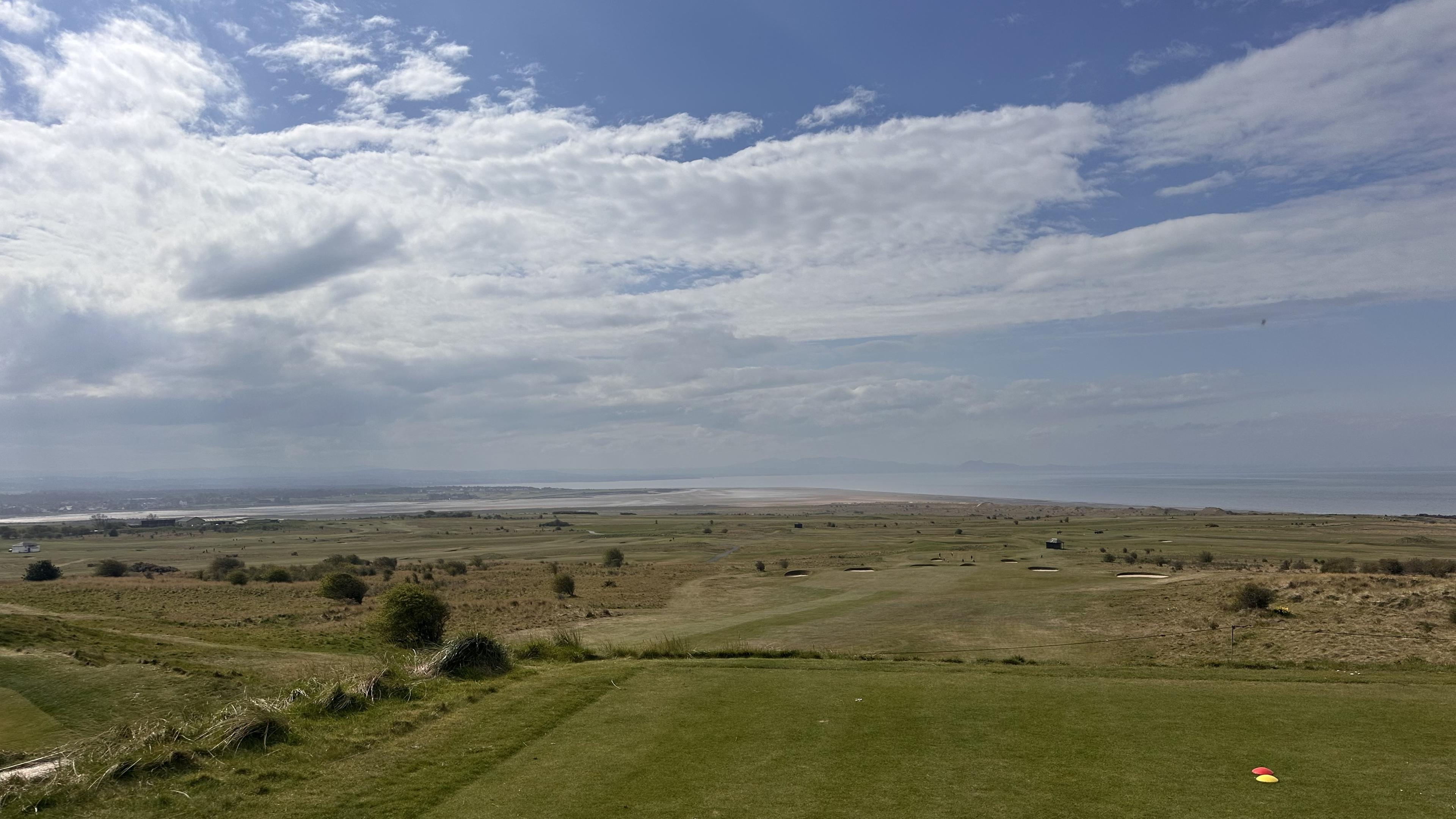
Best Time to Play Golf in Scotland
The best time to play golf in Scotland by month, with daylight, weather, green-fee, availability, turf, regional and booking trade-offs.

Your saved itinerary stays on this device while we prepare the next view.
100% FreeHow to plan a Scotland golf trip — which region, what it costs, when to go, and how to build a route that works on the ground. Written by a golfer based in Edinburgh.
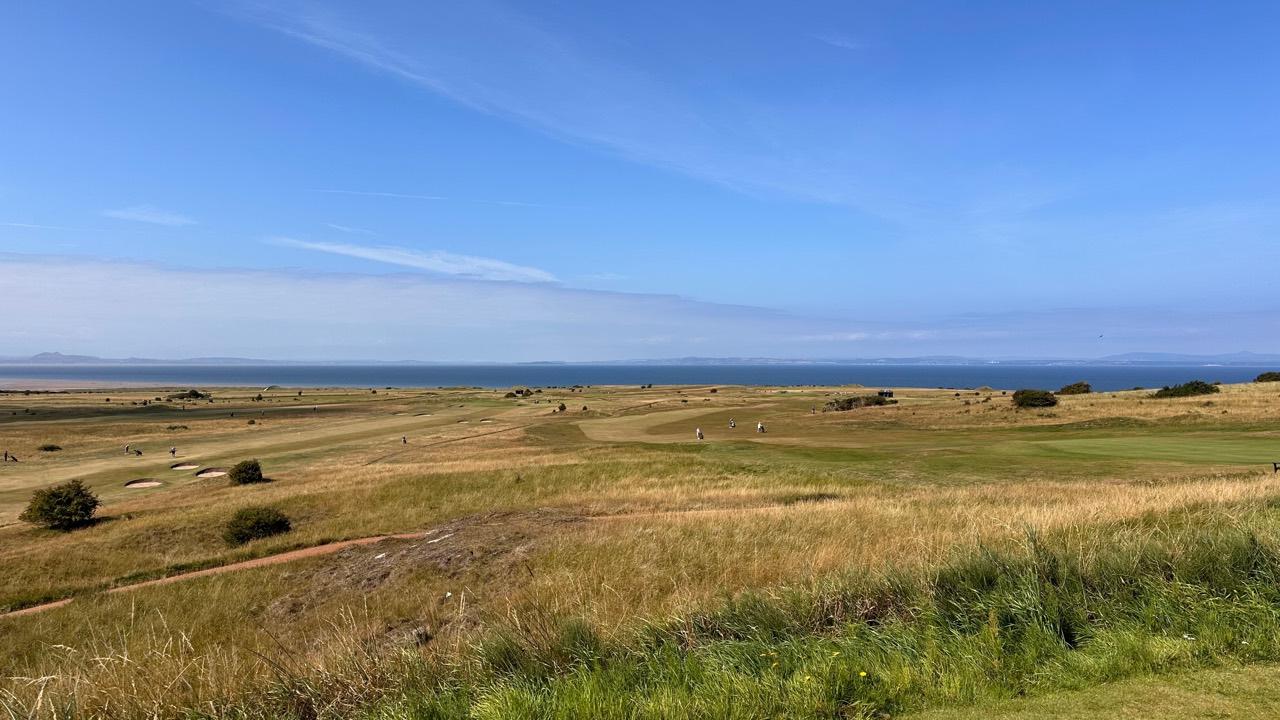
Most golfers planning a Scotland trip make the same mistake: they call a tour operator before they know what they want. The operator asks which courses. They say St Andrews and maybe Royal Dornoch. The operator builds a package around that. They arrive, play brilliantly, and only then realise they drove three hours past six other extraordinary courses to get there.
The better way is to build the route first — understand the geography, decide what you actually want from the trip, put the courses in a sensible order — and then engage an operator with a clear brief. That is what this guide is for.
I have played more than 60 Scottish courses and I am based in Edinburgh. The planning problem I kept seeing — online and among friends — was that most information either came from operators with something to sell, or from travel writers who had played the same five famous names. This guide tries to be more useful than either.
Scotland is not large, but the golf is spread in a way that punishes poor routing. The five main golf regions are strung roughly from Edinburgh north to Inverness, with Ayrshire branching south-west:
East Lothian — 30-45 minutes east of Edinburgh. Muirfield, North Berwick, Gullane. Compact, accessible, and one of the best concentrations of links golf anywhere in the world. A strong starting region if you fly into Edinburgh.
Fife — An hour north of Edinburgh across the Forth Bridge. St Andrews, Kingsbarns, Dumbarnie Links, Crail, Lundin Links. Anchored by St Andrews but much more besides. A week here alone is not wasted.
Angus — 90 minutes north. Carnoustie, Panmure, Montrose. Often overlooked but Carnoustie alone justifies the drive. Pairs naturally with Fife on a longer trip.
Ayrshire — 90 minutes south-west of Edinburgh. Turnberry, Royal Troon, Prestwick, Western Gailes. Three Open venues within 20 minutes of each other. Usually treated as its own separate leg.
Highlands — 3 hours north from Edinburgh (more from most starting points). Royal Dornoch, Nairn, Cabot Highlands Castle Stuart, Brora, Golspie. The drive is long. Every golfer I have spoken to who made it says the same thing: worth every mile.
Aberdeenshire — 2.5 hours north-east. Royal Aberdeen, Cruden Bay, Trump International. Often the most underrated leg of a Scotland trip. Cruden Bay in particular consistently surprises people who had it as an afterthought.
The key routing principle is simple: do not backtrack. A trip that goes Edinburgh → Fife → Highlands → Ayrshire → Edinburgh involves 8+ hours of unnecessary driving. A trip that goes Edinburgh → East Lothian → Fife → Angus → Highlands flows sensibly and loses nothing.
Use Caledonia Golf's interactive map to see all 97 courses plotted geographically — it makes the routing logic immediately obvious.
5-7 days — Enough for one region done properly, or two neighbouring regions at a comfortable pace. A focused East Lothian and Fife trip, or a Highlands loop from Inverness. 5-6 rounds.
7-10 days — The sweet spot for most first-timers. Enough to cover two or three regions without feeling rushed. 7-9 rounds, depending on pace.
10-14 days — Allows a genuine sweep of Scotland: East Lothian, Fife, Angus, Highlands, and possibly Ayrshire as a finale. 10-12 rounds. You will not regret a single day.
For a first trip, I would suggest 7 days minimum. Scotland has a way of revealing itself slowly, and a rushed 5-day dash through four regions usually leaves people wishing they had stayed longer in at least one of them.
Our 7-day Scotland golf itinerary covers East Lothian, Fife, and Royal Dornoch and is a solid template for a first visit.
Cost varies enormously depending on which courses you play and how you travel. Here is an honest breakdown.
Scotland's courses fall into three rough tiers:
Classic (£50-150 per round): Excellent, often historic courses that most visitors underestimate. Crail, Lundin Links, Brora, Golspie, Montrose, Gullane No.2. Some of the most enjoyable days you will have on any trip.
Must Play (£150-275 per round): The courses most people put on their list. North Berwick, Carnoustie, Nairn, Royal Dornoch, Kingsbarns, Dumbarnie Links, Royal Troon. Expect to pay £175-250 for most of these. Kingsbarns and Dumbarnie sit at the upper end.
Championship (£250-500+ per round): Muirfield, Turnberry Ailsa, the St Andrews courses. Muirfield charges £395 for visitor rounds. The Old Course ranges from £295 (off-peak) to higher depending on how you obtain your tee time. These are genuinely exceptional rounds of golf but the prices are serious.
A realistic 7-day trip budget for green fees, playing a mix of tiers: £1,200-2,000 per person.
Budget £120-160 per night for good quality B&Bs and smaller hotels near the courses. For resort options like Greywalls, the Old Course Hotel, or Golf View Nairn, budget £250-450 per night. Many groups split accommodation costs which helps considerably.
Return flights from the US East Coast to Edinburgh run roughly $900-1,500. From the West Coast, add $200-400. Internal travel is by hire car — essential for any multi-region trip. Budget around £400-600 for a week's car hire. US golfers will find the Scotland golf trip from the USA guide useful for the full logistics picture — flights, driving on the left, booking timelines, and jet lag.
A comfortable 7-day trip playing 6-7 rounds, mixing Must Play and Classic tiers with mid-range accommodation: roughly £3,500-5,000 per person from the UK, $5,000-8,000 per person flying from the US. Push into Championship courses and luxury accommodation and the ceiling is considerably higher.
For a detailed breakdown with real green fee figures for every course tier — including the specific numbers behind these totals — see the Scotland golf trip cost guide.
The honest answer depends on what you are optimising for.
May and June are my preference. The courses are in their best condition after winter recovery. Days are long — you can be on the first tee at 6am and still have light at 10pm in June. The weather is more settled than you might expect, and crowds are lighter than July and August.
July and August are peak season. Warmer, busier, and more expensive. The courses are excellent and tee time availability is tighter, particularly at St Andrews and Kingsbarns. Book as far in advance as possible if you are travelling at this time.
September and October are underrated. The courses are quieter, rates often drop, and the light has a quality in autumn that is genuinely beautiful. Weather is more variable but many golfers prefer this over the summer crowds. I have played some of my favourite rounds in September.
April can work well — courses are open, prices are lower, and there is something satisfying about playing links golf in genuine links weather. But you should go in expecting cold and wind. That is not a deterrent for everyone.
Avoid January and February unless you specifically want a dormant season experience. Most courses are open but conditions are challenging and daylight is limited.
Rather than prescribe a list, think about your trip in terms of what you want to take away from it.
If St Andrews is non-negotiable (and for many first-timers it is): build the trip around Fife and plan your tee time strategy early. The Old Course ballot is free and worth entering daily, but commercial access via a St Andrews Links hotel or operator is more reliable. Our Fife golf trip planner covers this in detail.
If you want the best pure links experience: point north. Royal Dornoch is the finest links I have played. The plateau greens, the natural dune land, the complete absence of pretension. Pair it with Nairn, Brora, and Castle Stuart and you have a Highlands trip that most golfers rate as their favourite. See our Royal Dornoch itinerary.
If you are flying into Edinburgh and have a week: East Lothian first (Muirfield, North Berwick, Gullane), then across the Forth to Fife (St Andrews, Kingsbarns). This is the most natural Edinburgh-based route and gives you an extraordinary variety of links golf without excessive driving. Our Scotland golf trip from Edinburgh maps this out.
If you want value: look at Classic tier courses. Cruden Bay (Aberdeenshire) is one of the most individual links in Scotland at a fraction of the cost of the famous names. Brora and Golspie in the Highlands. Elie in Fife. Kilspindie in East Lothian. These are not consolation prizes — they are the courses that experienced golfers often remember most fondly.
Caledonia Golf curates 97 courses from the NCG Top 100s Scotland 2026, all plotted on an interactive map with tier ratings, green fee bands, and booking difficulty. It is the fastest way to see what is where.
The practical mistake most first-timers make is choosing courses before they have a route. The better process:
1. Fix your starting point. Edinburgh and Glasgow for most international visitors. Inverness if you are heading straight to the Highlands. Aberdeen if Aberdeenshire is your focus.
2. Choose your regions. Look at the map and decide which parts of Scotland you want to reach. Be realistic about driving: the Highlands from Edinburgh is a 3-hour drive each way.
3. Build the route geographically. Place courses in the order that minimises backtracking. For a 7-day trip, you should not be driving more than 90 minutes between consecutive courses.
4. Check booking difficulty. Some courses require planning 6-12 months in advance (Kingsbarns, Muirfield, Royal Troon). Others you can book 2-3 weeks out. Build your trip around the hard-to-book courses first, then fill in around them.
5. Then speak to an operator. Once you know what you want, an operator can confirm tee times, book accommodation, and handle logistics. Going to an operator with a clear brief gets you a much better outcome than asking them to build something from scratch.
Use the Caledonia Golf trip planner to work through these decisions step by step. It maps your courses, calculates drive times between stops, and produces a route you can refine before you spend anything.
There is no single answer to this — it depends on budget, available time, and what you value. But if I were designing a first Scotland golf trip with no constraints, this is roughly what I would build:
Day 1-2: East Lothian. Muirfield and North Berwick, based at Greywalls or The Mallard in Gullane. Add Kilspindie or Gullane No.2 if you want a third round.
Day 3-4: Fife. St Andrews Old Course and Kingsbarns. Stay at the Old Course Hotel or Rusacks. Add Dumbarnie Links if the legs are willing.
Day 5: Carnoustie. An easy drive north from St Andrews through Angus. Often treated as a transit stop but deserves a full day.
Day 6-7: Highlands. Drive north to Nairn and Dornoch. Royal Dornoch on the final morning. Stay at Golf View Nairn for the first night, Dornoch Station Hotel for the last.
That is seven days, seven rounds, and a sweep through the best of Scotland without a single wasted mile. See the full 7-day itinerary for the detailed breakdown.
Each of Scotland's main golf regions has its own character, booking considerations, and practical advice. Read the full guides before you plan:
May and June are the best months for most golfers. Courses are in good condition after winter, days are at their longest (up to 18 hours of daylight in June), and the weather tends to be more settled than the peak summer months. July and August are busier and more expensive but perfectly good. September is an excellent choice for quieter courses and autumn conditions — underrated by many visitors.
For a 7-day trip playing 6-7 rounds at a mix of Must Play and Classic tier courses, with comfortable accommodation: expect £3,500-5,000 per person from the UK, or roughly $5,000-8,000 per person flying from the US. Green fees for Must Play tier courses run £150-275 per round. Championship courses (Muirfield, Turnberry, St Andrews Old Course) push significantly higher. Accommodation costs £120-400 per night depending on the property.
Most experienced Scotland golfers would agree on a core: Royal Dornoch, St Andrews Old Course, Kingsbarns, and either Muirfield or North Berwick. Beyond that, it depends on what you value — the pure links experience pushes you north; the historical depth keeps you in Fife and East Lothian; the Ayrshire Open rotation is its own pilgrimage. A 7-10 day trip that combines East Lothian, Fife, and the Highlands covers most of what makes Scottish golf exceptional.
For a first trip, East Lothian and Fife together make the strongest case — both accessible from Edinburgh, both offering world-class links within a compact area. For golfers who have done the Fife and East Lothian circuit and want to go deeper, the Highlands (Royal Dornoch and surroundings) is the obvious next chapter. Ayrshire and Aberdeenshire reward return visits and are often less crowded than the most famous areas.
Ready to build your route? Plan your Scotland golf trip on Caledonia Golf →
The best time to play golf in Scotland by month, with daylight, weather, green-fee, availability, turf, regional and booking trade-offs.
Scotland golf handicap requirements explained: certificates, WHS and GHIN proof, common visitor limits, Old Course rules, and how to prepare.
A Scotland golf trip packing list for changeable weather, links conditions, club customs, hire cars, travel days, and protecting clubs in transit.