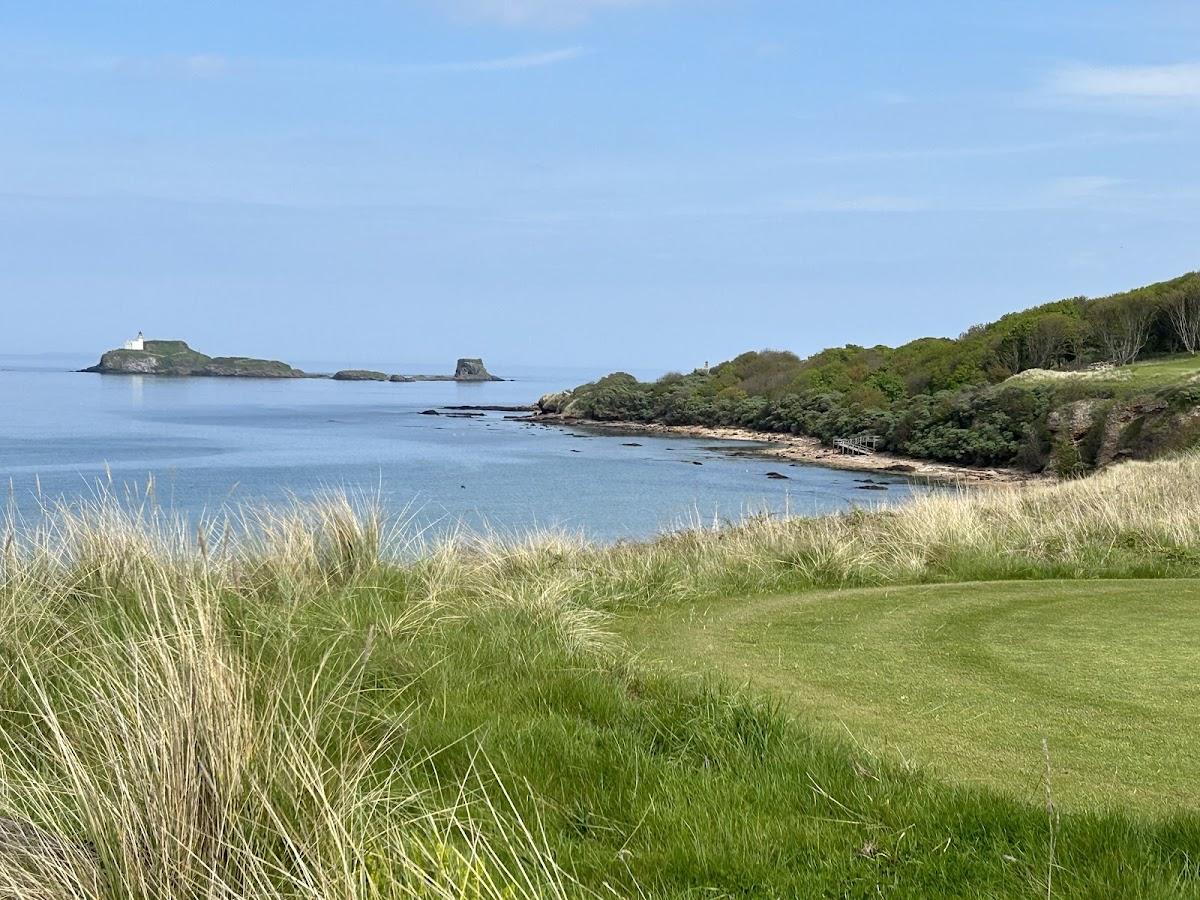
Archerfield Fidra Course Guide
Archerfield Fidra Course Guide covering course character, visitor booking, value, route planning, nearby golf, practical advice, and an honest verdict.

Your saved itinerary stays on this device while we prepare the next view.
100% FreeThe best time to play golf in Scotland by month, with daylight, weather, green-fee, availability, turf, regional and booking trade-offs.
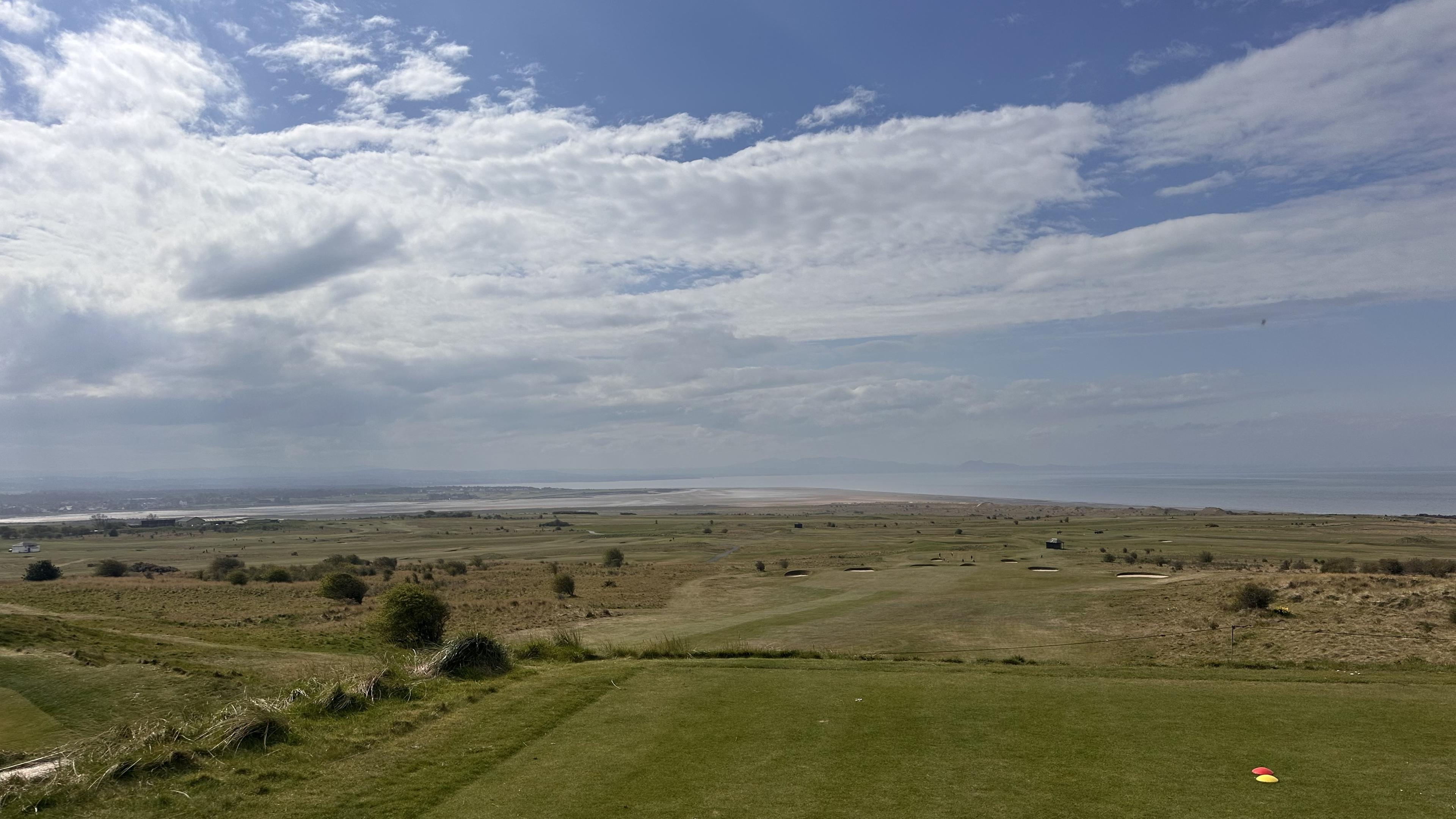
The best time to play golf in Scotland is usually late May, June or early September. Those windows balance long daylight, strong turf conditions and a better chance of building a coherent route. July and August offer the longest summer experience but bring peak demand; April and October can offer value if the group accepts cooler, less predictable conditions.
VisitScotland's weather guide identifies June, July and August as the warmest months, with long daylight stretching into the evening. Weather is only one part of the golf decision. Visitor calendars, tournaments, maintenance, daylight and price matter too.
Nick Peden built Caledonia Golf in Edinburgh after playing more than 60 Scottish courses. The practical lesson is that there is no single perfect month across every region. Choose the trade-off that suits the route.
April can produce firm, bright links golf and quieter clubs. It can also be cold, windy and unsettled. Inland courses may recover from winter more slowly than coastal links.
Choose April when price and availability matter more than warmth. Keep the route compact, avoid fragile same-day transfers and confirm whether winter mats or temporary local rules remain in use.
May is often the most balanced month. Daylight is generous, peak-school-holiday pressure has not fully arrived and many courses are in strong condition.
Late May works particularly well for East Lothian, Fife and Ayrshire. Highlands weather can still feel cool, but the longer evenings make transfers and optional second rounds easier.
June gives the itinerary room. Long days support 36-hole plans, leisurely lunches and late backup rounds. It is an excellent month for remote routes where a weather delay should not end the day's golf.
Demand is high, so book anchor courses well ahead. The benefit is not guaranteed sunshine; it is the amount of usable daylight available when the plan changes.
These are natural travel months for families and groups, and the evening light can be superb. Prices and demand are also at their highest, while championships and member events can interrupt visitor calendars.
Do not book flights first and assume every famous course will fit. Secure restricted tee times, inspect event calendars and build alternatives within the same region.
Early September can combine good turf, slightly calmer demand and enough daylight for a comfortable schedule. It is one of the best periods for groups that want high-quality golf without the full summer crush.
The trade-off is decreasing evening light and a greater need to place 36-hole days carefully. By late September, early tee times and sensible transfer margins become more important.
October can deliver excellent links golf at lower rates, but daylight and weather narrow the margin for error. Some premium visitor seasons end during the month.
Use October for a compact regional break rather than an ambitious national tour. East Lothian, Fife and Ayrshire can work well when every course has confirmed access.
First Scotland trip: late May or June. The route has enough daylight and the widest practical safety margin.
Value-led trip: April, early May or October, after checking course rules and visitor seasons.
Highlands trip: June or early September, when long transfers are easier to absorb.
36-hole itinerary: June, using one base and nearby course pairs.
Open Championship venue trip: any suitable visitor month, but build the dates around event closures and restricted club calendars.
Scotland's coasts do not behave identically. East Lothian is often comparatively dry. Ayrshire receives Atlantic systems more directly. The Highlands can change quickly, while inland Perthshire may feel cooler and softer than a links course on the same day.
Check local forecasts close to play, but do not keep rewriting the whole itinerary around long-range predictions. A waterproof setup and regional backup are more reliable than trying to find a rain-free week months ahead.
Long summer evenings make two rounds possible, but course spacing still matters. Pair courses within the same cluster: Gullane with Kilspindie, St Andrews with the East Neuk, Royal Dornoch with Golspie, or Carnoustie with Panmure.
Leave at least an hour more than the theoretical gap. Lunch, traffic, a slow round and changing shoes consume time quickly. The purpose of 36 holes is more golf, not a day spent watching the clock.
For May through September, secure the hardest visitor tee times first. Royal Troon, Muirfield, the Old Course and other restricted venues can dictate the whole route.
Next, book the hotel base and supporting courses. Flights and flexible rounds come after the shape is credible. Our booking timeline explains the sequence in detail.
Links courses often remain playable after rain because sandy soil drains well, but "playable" is not the same as identical. Turf firmness, rough growth and green speed change through the season. Inland courses can respond differently because their soils, elevation and shade are different.
Ask clubs about planned maintenance when the exact condition matters. Hollow-tining, top-dressing and winter mats are normal parts of managing a course, not evidence that it is poor. The useful question is whether the timing matches what the group expects from an expensive trip.
Do not assume peak summer always means the best surfaces. A dry spring can produce excellent May links golf, while a wet summer week can soften conditions. Choose a robust period and route, then accept that weather remains part of the game.
Midges are most relevant in still, damp Highland and west-coast conditions, especially around dawn and dusk. They are less of a defining issue on exposed, breezy links than many visitors fear.
Pack repellent for a Highlands or Kintyre route, particularly if the itinerary includes evening walks or lochside accommodation. Do not let midges dictate the entire month choice; wind, location and time of day affect them more than a simple national calendar.
Long daylight also changes daily life. A late dinner may still finish in full light in June, while an October group must move promptly after the round. Build restaurant and transfer times around that reality.
The Open Championship, Scottish Open and other professional or amateur events can remove visitor inventory well beyond tournament week. Practice, setup, qualifying and recovery periods may affect several courses in a region.
Search official club calendars before booking accommodation. A major event can also raise hotel prices and traffic across the nearest towns, even when your chosen course remains open.
Some golfers deliberately travel near a championship and combine spectating with play. That can be excellent, but it is a different trip: fewer available tee times, more expensive rooms and greater need for advance transport planning.
A bucket-list group paying for several restricted championship courses should prioritise access over small seasonal savings. If the required tee times align in June, the premium may be justified because rebuilding the route is harder than saving on one hotel.
A mid-range group can target May or September, mix one or two headline courses with strong regional alternatives and benefit from slightly more flexibility.
A value-led group should compare April and October rates carefully. Savings only count when visitor rules, daylight and course condition still deliver the experience the group wants. A cheap unusable time is not value.
Choose three anchor courses and check their visitor calendars. Compare flight and hotel prices for late May, June and early September. Then ask whether the group prefers maximum daylight, lower cost or quieter courses.
The winning month is the one that keeps the anchor tee times, reduces unnecessary hotel moves and leaves a credible backup in every region. That is a more reliable answer than selecting the statistically warmest week.
June, July and August are normally the warmest period, but coastal wind can keep conditions cool.
Yes. May is one of the best all-round choices for daylight, conditions and route flexibility.
Yes, especially on links courses, but confirm visitor seasons, daylight and any winter rules directly.
Demand is generally strongest from June through August, with extra pressure around major events.
No. Early September is often excellent, though 36-hole days need more careful timing.
Ready to compare months against real course availability? Plan your Scotland golf trip.
Archerfield Fidra Course Guide covering course character, visitor booking, value, route planning, nearby golf, practical advice, and an honest verdict.
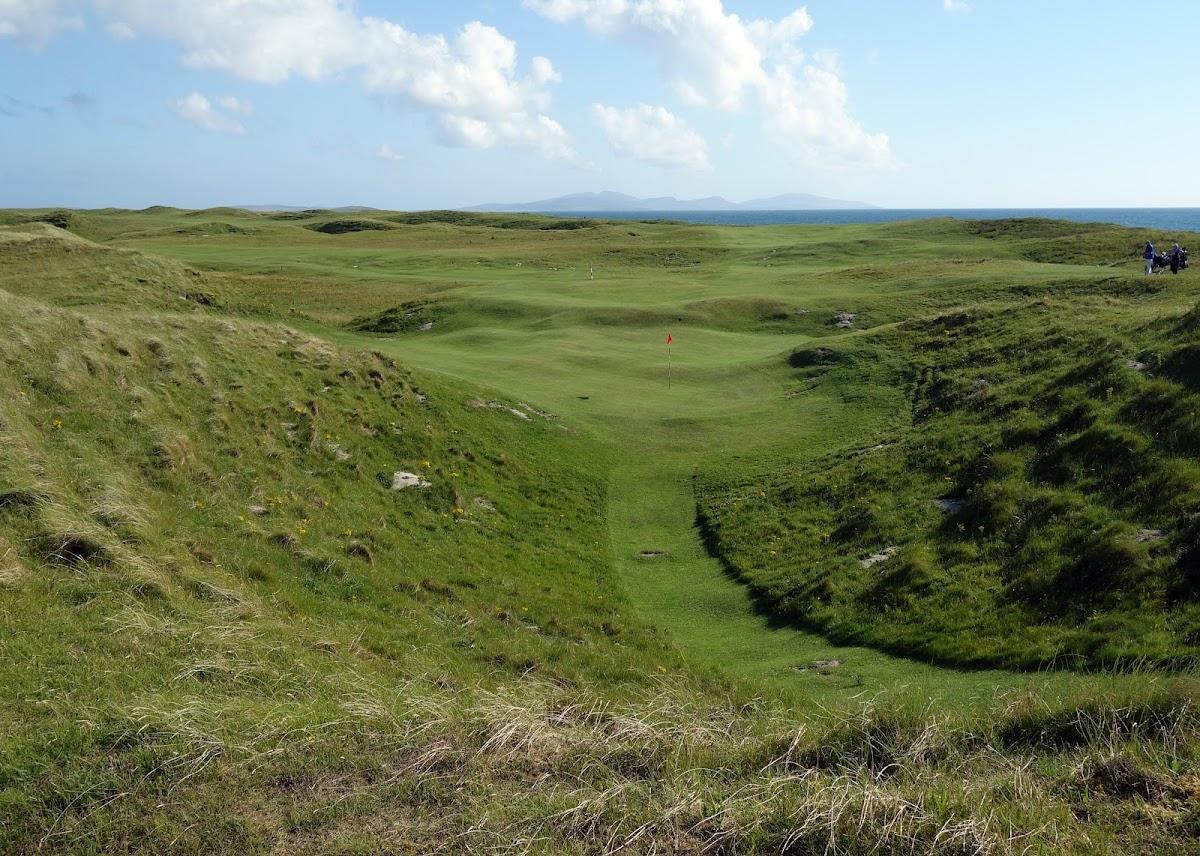
Askernish Golf Guide for South Uist covering course character, visitor booking, value, route planning, nearby golf, practical advice, and an honest verdict.

Blairgowrie Rosemount Course Guide covering course character, visitor booking, value, route planning, nearby golf, practical advice, and an honest verdict.