
Archerfield Fidra Course Guide
Archerfield Fidra Course Guide covering course character, visitor booking, value, route planning, nearby golf, practical advice, and an honest verdict.

Your saved itinerary stays on this device while we prepare the next view.
100% FreeScotland golf handicap requirements explained: certificates, WHS and GHIN proof, common visitor limits, Old Course rules, and how to prepare.

Scotland golf handicap requirements vary by club. Many visitor-friendly courses do not impose a strict maximum, while several championship clubs require a recognised, current handicap and may state different limits for men and women. Carry digital and printed proof even when the booking form did not ask for it.
The Scottish Golf World Handicap System page explains the national framework. Individual clubs control visitor access, so their current guidance always wins. Royal Troon's visitor information and Muirfield's visitor notes are useful examples of clubs publishing explicit requirements.
Caledonia Golf's founder, Nick Peden, belongs to Lundin Golf Club and The Nairn and has played more than 60 Scottish courses. The practical advice is simple: do not arrive at a bucket-list tee time with an unverifiable screenshot from years ago.
A current card or app record from a recognised golf association is normally the most useful evidence. For American golfers, that commonly means an active GHIN record. Golfers elsewhere may use their national union or WHS-linked club system.
The proof should show your name and current index clearly. If the club asks for a handicap certificate, request one from the home club before travel rather than assuming the app view is sufficient.
Save the record offline and carry a printed copy. Rural signal, roaming settings and a forgotten password are avoidable reasons for an awkward check-in.
Your Handicap Index is the portable WHS measure. A Course Handicap is calculated for a particular set of tees using slope, course rating and par.
Visitor restrictions normally refer to an official handicap or maximum index, but wording differs. Do not try to reverse-engineer a club's rule from the scorecard. Ask the golf office if the published limit is ambiguous.
There is no universal national visitor maximum. Private championship clubs are more likely to publish limits, while resort and municipal courses may focus on pace and competence rather than a number.
Requirements can also differ by course at the same venue. A championship course may impose a limit when a shorter companion course does not.
The correct workflow is:
Royal Troon's official visitor information currently publishes handicap requirements and asks golfers to present a handicap certificate on arrival. Its details can change, so use the live page rather than copying a number from an old forum.
Muirfield's visitor notes state that visitors must hold recognised handicaps and publish the club's guidance for the day. This is part of a broader visitor culture that also covers pace, dress and lunch.
These examples are not rules for all Scotland. They show why a trip-wide assumption is unsafe.
The Old Course has historically required handicap proof for play, while access processes and limits should be confirmed through St Andrews Links for the relevant season.
If the Old Course is the central goal, keep the handicap record current well before applying for advance times or the ballot. The Old Course tee-time guide explains the booking routes; the handicap document is one preparation item within that process.
Do not hide it or hope the starter overlooks the number. Ask the club about companion courses, alternative tees or whether the limit is absolute. A clear reply protects the group and the booking.
Scotland has many excellent courses with easier visitor access. A golfer who cannot play one private championship venue can still build an exceptional trip around Carnoustie, Kingsbarns, Castle Stuart, Dumbarnie, Gullane, Brora and dozens of other options, subject to each club's rules.
The right response is to adjust the route, not to pressure a golfer into establishing an artificial handicap immediately before travel.
Join an eligible home club or association, submit the required scores under its WHS process and allow time for the record to become active. Do this months, not days, before departure.
An official index is useful beyond access. It helps select tees, create balanced matches and protect pace during a week of unfamiliar courses.
Meeting a numeric limit does not guarantee comfortable links golf. Wind, firm turf, deep bunkers and blind lines can challenge low-handicap players who have never encountered them.
Choose tees that fit current ability and weather. Play a provisional ball when appropriate, take a simple recovery from trouble and pick up in a friendly match once a hole is lost. Good pace is part of being a welcome visitor.
Put the requirement beside each tee time in the shared itinerary. Do not leave it inside an email thread that only one organiser can access.
Using a lapsed record. A historical handicap may not satisfy a request for a current recognised handicap.
Confusing a score average with an index. The club is asking for an official record, not an estimate of playing ability.
Assuming every course follows the Old Course rule. Requirements are club-specific.
Relying only on mobile data. Keep offline and printed evidence.
Booking first and asking later. A strict limit discovered after non-refundable payments can damage the entire route.
Keep the message short and specific. Give the date, number of golfers, each relevant Handicap Index and the issuing association. Ask whether the club accepts the digital record or needs a formal certificate.
A useful message is: "We are four visitors hoping to play on 12 June. Our current WHS Handicap Indexes are 8.4, 12.1, 18.7 and 21.3 through our home associations. Please confirm whether we meet the visitor requirement and what evidence we should present."
Do not send passports, membership numbers or other unnecessary personal data. The golf office normally needs enough information to answer the eligibility question, not a full identity file.
Keep the reply. If a booking team confirms an interpretation of an ambiguous rule, save that email offline with the tee-time confirmation.
Junior access also varies by club. Some courses welcome competent juniors with an adult; others apply age, handicap or time-of-day limits. A junior rate does not automatically mean unrestricted access to every visitor time.
Ask about the required handicap, accompanying adult, caddie policy and clubhouse areas. If the junior is close to a maximum limit, get written confirmation before paying.
Choose tees that make the course enjoyable. A young golfer can have an official low index and still find unfamiliar wind, deep bunkers and long walks demanding during consecutive days.
Modern handicap services differ by country. If a golfer holds an official index through a recognised association without a traditional club membership, explain the issuing body when asking the Scottish club.
Do not assume an unofficial app that calculates an estimated handicap will count. The important distinction is whether the record is recognised within the World Handicap System and can be verified.
If establishing an official index is impossible before travel, focus on courses that confirm they do not require one. Scotland's depth makes this entirely practical. The trip may lose one restrictive venue, not its quality.
A visitor maximum is an access threshold, not a tee recommendation. Use each course's rating, slope, yardage and daily wind to choose the playing tees.
Groups often default to the tees whose label resembles a home-club colour. That can be misleading because colours and yardages are not standardised. Compare actual distance and ask the starter.
For matches, calculate Course Handicaps from the relevant tees rather than using raw Handicap Indexes. The adjustment makes games fairer when golfers play different markers.
Arrive early with the booking name, payment confirmation and handicap proof ready. The professional shop or starter may check the record, explain local rules and confirm the day's tees.
If there is a discrepancy, stay calm and ask what alternatives exist. Producing an old screenshot, arguing that another club accepted it or pressuring staff rarely helps. The club controls access to its course.
The best outcome is prevention: current proof, a clear email where necessary and a backup course that suits every golfer in the group.
Not for every course, but several famous visitor venues require a recognised current handicap. Check each official page.
An active GHIN record is widely recognisable, but the individual club decides what evidence it accepts. Ask before travel if the wording is unclear.
It may, but a live app record or formal certificate is safer. Keep a printed backup.
Absolutely. Choose visitor-friendly courses and suitable tees rather than building the trip around a venue with a restrictive limit.
Yes. Clubs can update limits, evidence and visitor conditions, so verify them near the booking date and again before travel.
Ready to filter a route around access as well as reputation? Plan your Scotland golf trip.
Archerfield Fidra Course Guide covering course character, visitor booking, value, route planning, nearby golf, practical advice, and an honest verdict.
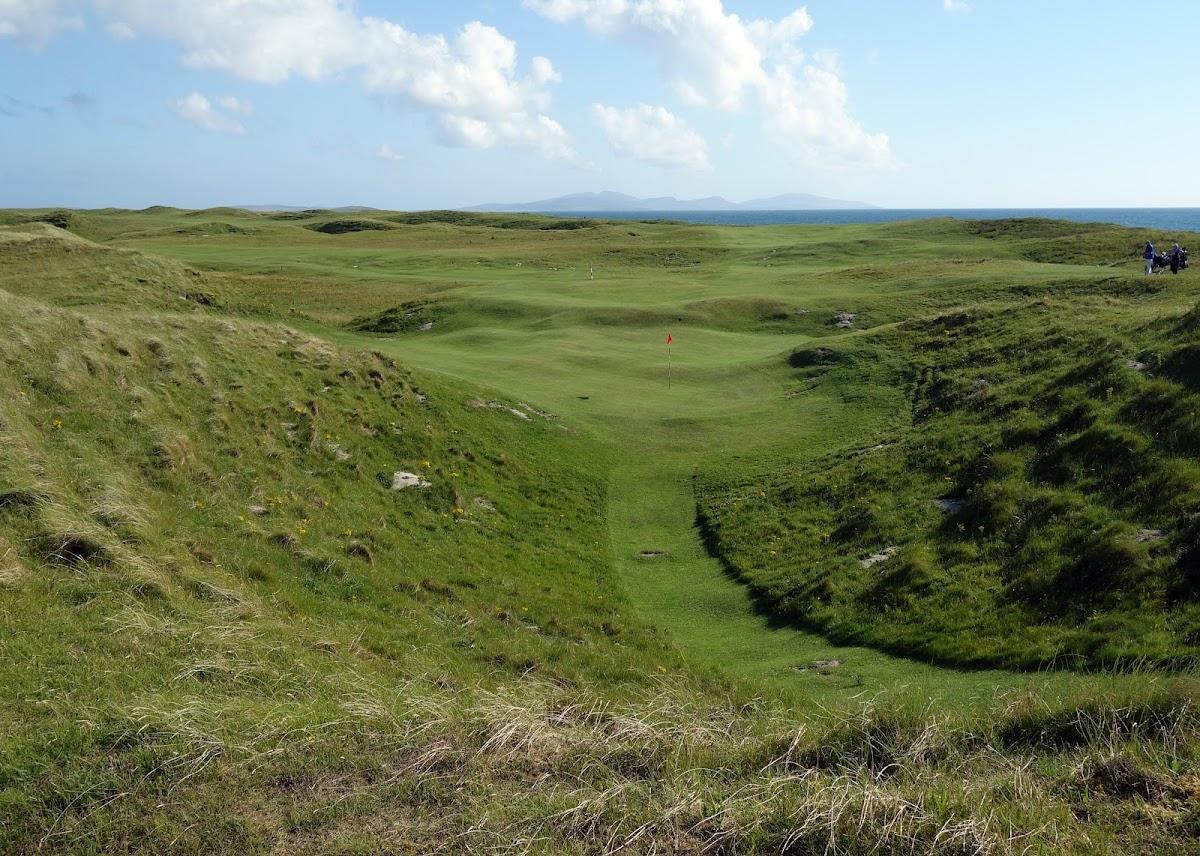
Askernish Golf Guide for South Uist covering course character, visitor booking, value, route planning, nearby golf, practical advice, and an honest verdict.
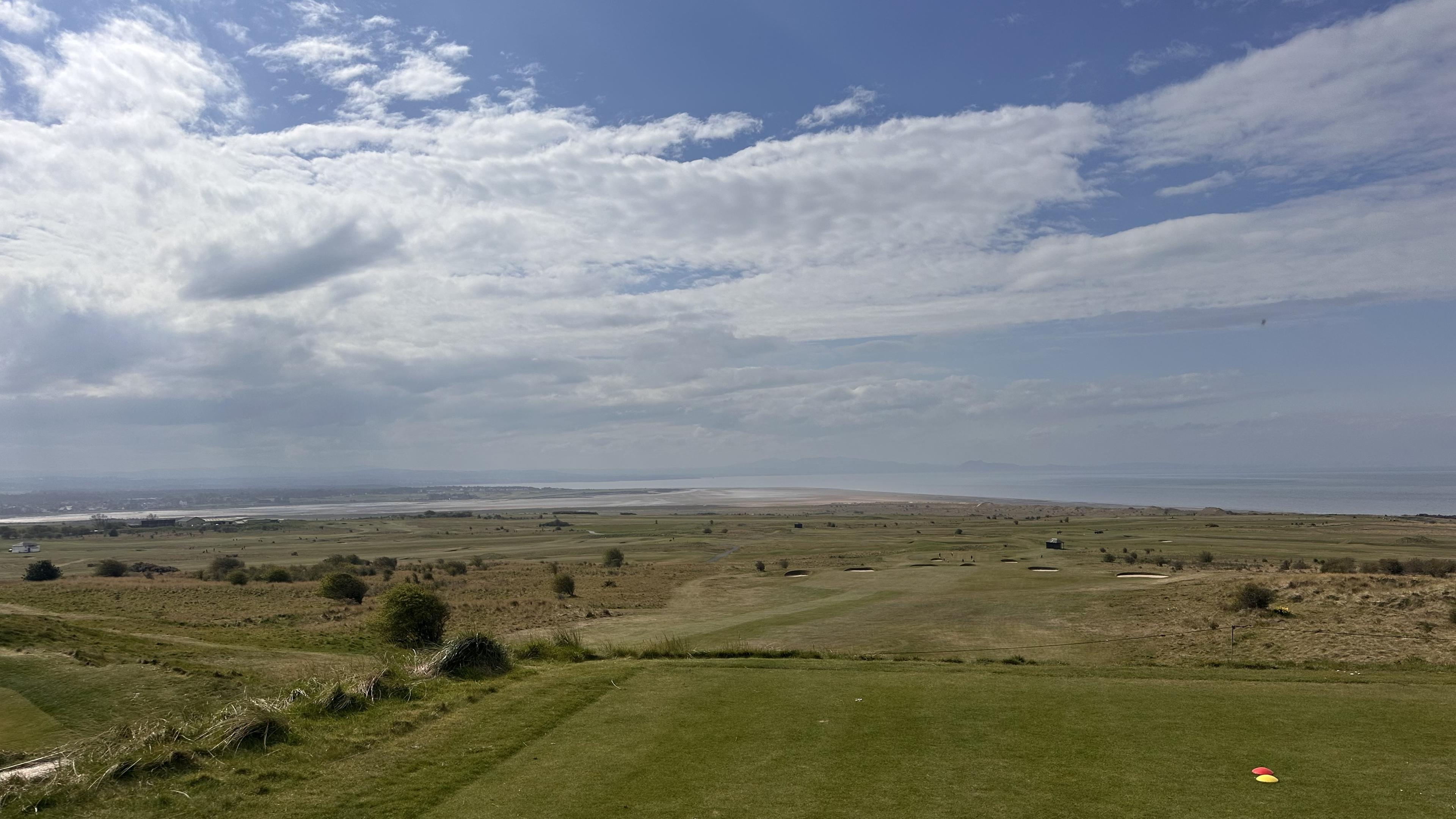
The best time to play golf in Scotland by month, with daylight, weather, green-fee, availability, turf, regional and booking trade-offs.