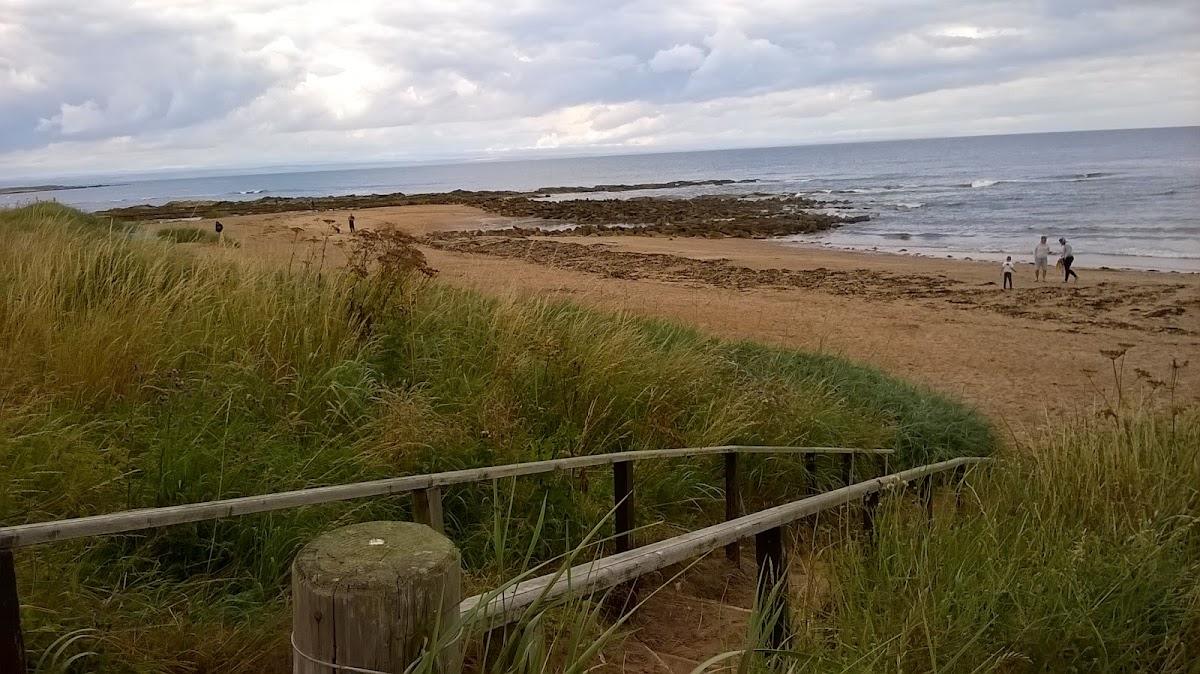
A Practical 7 Day Scotland Golf Itinerary
A realistic seven-day Scotland golf itinerary for a first trip, linking East Lothian, Fife, Carnoustie, and an optional Royal Dornoch finish.

Your saved itinerary stays on this device while we prepare the next view.
100% FreeEverything a US golfer needs to plan a Scotland golf trip: flights, booking timelines, courses, costs, and driving on the left — from someone who lives here.
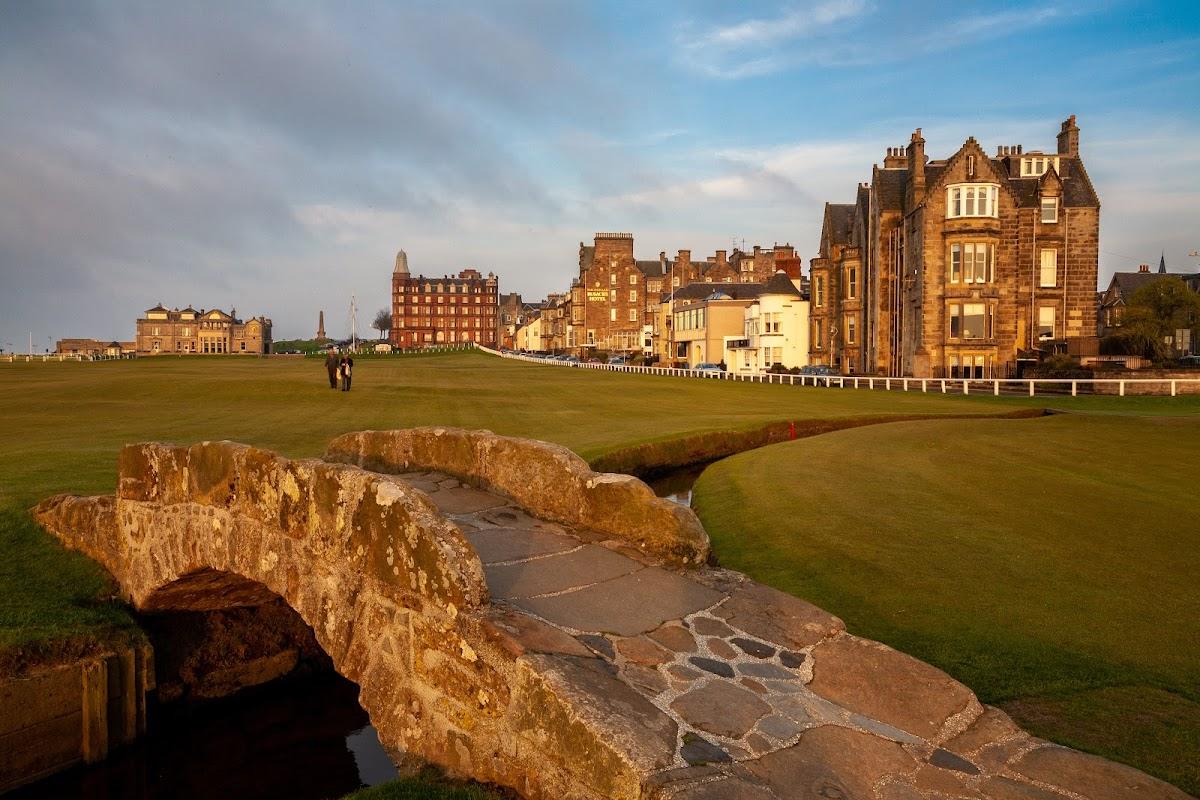
A Scotland golf trip from the USA is entirely plannable without a tour operator. Most Americans who have done it say the obstacles were logistical, not the golf itself. The courses are welcoming. The complications are booking timelines, driving on the left, and deciding which region to tackle first.
I am based in Edinburgh and have played more than 60 Scottish courses. What follows covers the US-specific planning that Scottish golf sites do not bother explaining, because they assume you already know it.
If you have not decided which courses to play yet, start with the Scotland golf trips planning guide first. If you have a shortlist and want to know what everything costs, the Scotland golf trip cost guide covers the numbers in detail.
Book early. The window between deciding to go and actually going is typically 9 to 12 months for anyone serious about playing the famous courses. St Andrews Old Course, Royal Dornoch, Kingsbarns, Carnoustie, Muirfield — none of these are bookable six weeks out in peak season. Almost every planning mistake I hear about from US golfers comes down to starting too late.
Work out which two or three courses are non-negotiable. Book those first. Build everything else around them.
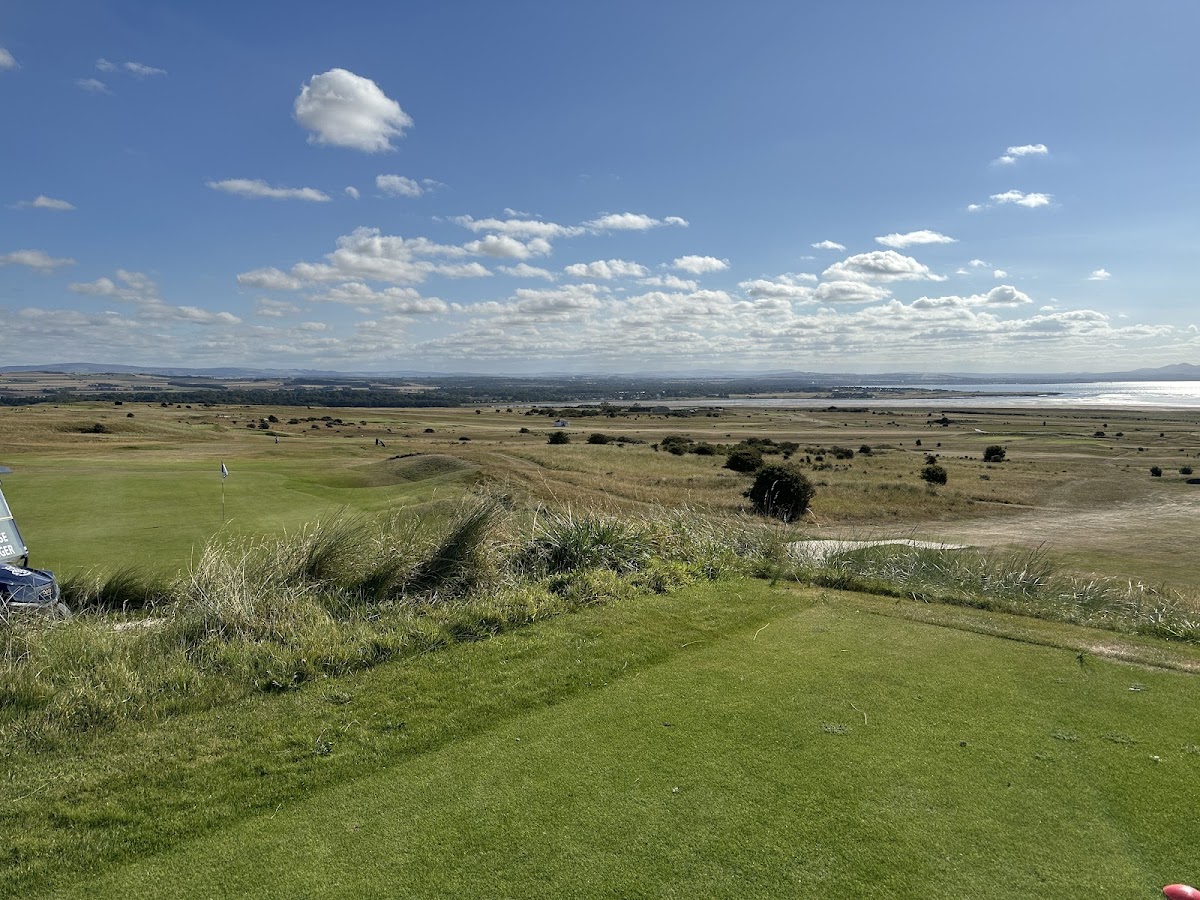
Scotland's top courses sit in five regions, and how you route the trip depends on which ones you prioritise.
East Lothian is 30 minutes from Edinburgh airport: Muirfield, North Berwick, Gullane No. 1, Dunbar, Kilspindie, Archerfield. Championship golf and compact geography. Most trips benefit from at least three days here — it is the easiest first base from the airport and the quality of course per square mile is extraordinary.
Fife is 50 minutes from Edinburgh: St Andrews, Kingsbarns, Dumbarnie Links, and the traditional East Neuk clubs — Elie, Lundin Links, Leven Links, Crail Balcomie. Give Fife three to four days to do it properly.
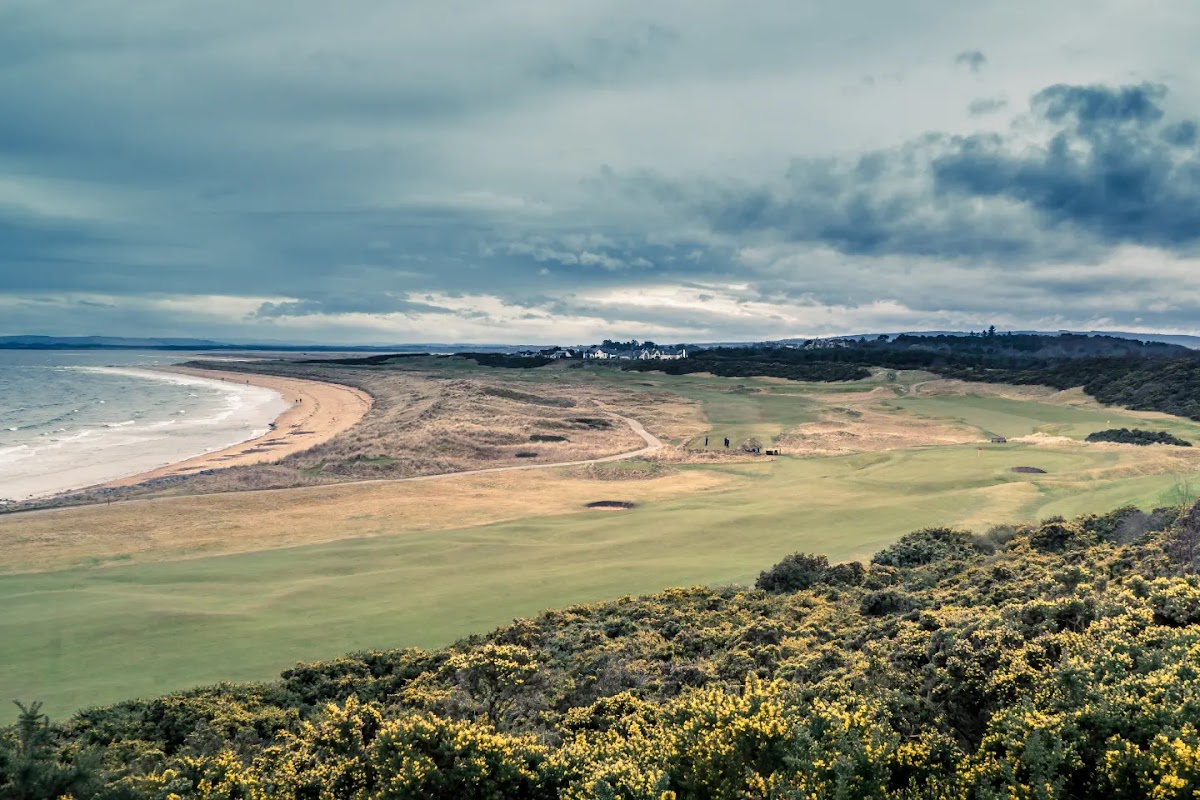
The Highlands is the pilgrimage. Royal Dornoch, Nairn, Castle Stuart, Brora, Golspie. Three hours from Edinburgh up through Inverness, but worth every mile. The mistake is trying to do it as a day trip from Edinburgh — stay up there, at least three or four nights, and let the region slow you down.
Ayrshire is Open Championship country: Turnberry Ailsa, Royal Troon, Prestwick, Western Gailes, Dundonald Links. An hour from Glasgow airport. If this is where the trip starts, fly into Glasgow rather than Edinburgh.
Aberdeenshire is the north-east: Royal Aberdeen, Cruden Bay, Trump International Old and New, Murcar Links. Two and a half hours from Edinburgh. Increasingly popular, still underrated relative to the quality on offer.
One thing worth being clear about before you build a route: Scotland is bigger than it looks on a map. The country is not small. Driving from Royal Dornoch in the Highlands to Turnberry in Ayrshire takes the better part of a day. Trying to cover all five regions in seven nights means spending more time in a hire car than on a golf course. The trips that work are the ones that pick two regions, stay in each properly, and resist the temptation to squeeze everything in.
Most US visitors on a first trip cover two or three regions. Ten nights handles a proper multi-region circuit. Seven nights works well if you stay focused on one or two regions without overreaching. Browse all 97 courses →
May and early June are the best months for a first visit. Courses are in excellent condition, the days are extraordinarily long — up to 18 hours of daylight in the far north in June — crowds are lighter than high summer, and green fees are often slightly lower. Scottish summer mornings in East Lothian or on the Moray Firth are genuinely special. The weather is better than the reputation.
July and August are peak season. The courses are excellent, but everything costs more, books faster, and the most popular tee times at St Andrews and Kingsbarns disappear first. If you are travelling in peak summer, plan 12 months ahead.
September is arguably the best month of the year. Courses are playing fast, the autumn light is extraordinary, crowds have thinned noticeably, and green fees come down slightly from the peak. If the dates are flexible, September deserves serious consideration.
April and October are shoulder season — cheaper, quieter, more variable weather and shorter days. Some golfers love the rawness of early season links golf. Others find it harder to enjoy when it is genuinely cold and wet.
Scotland has two main international airports: Edinburgh (EDI) and Glasgow (GLA), about 50 miles apart.
Edinburgh has the most direct transatlantic connections from the East Coast — New York JFK, Newark, Boston, Philadelphia, Washington Dulles. If the trip is based around East Lothian, Fife, or the Highlands, Edinburgh is the right airport.
Glasgow makes more sense for Ayrshire. If Turnberry and Royal Troon are the centrepieces, flying Glasgow saves an extra hour's driving on arrival.
Return economy flights from the East Coast run approximately $700–$1,500 depending on timing. From the West Coast, add $200–400. Business class typically runs $2,500–$5,000+ return. Booking four to six months out and avoiding US school holidays gives the best combination of price and choice.
Two things worth knowing before you book: golf bags count as oversized luggage on most transatlantic carriers, and the fee varies considerably between airlines — check before assuming. Hiring a club set in Scotland is a reasonable alternative if you want to avoid the fee and the anxiety of a bag arriving damaged. And if the trip starts in Edinburgh but ends in Ayrshire, flying home from Glasgow rather than doubling back saves two hours of driving on the last day.
You will need a hire car. The courses are spread in a way that makes public transport impractical for any multi-course trip. And despite what a quick glance at a map might suggest, the drives between regions are real — Edinburgh to Dornoch is three hours, Dornoch to Turnberry is nearly four. Factor driving time into every day of the itinerary, not just the travel days.
You drive on the left. This is what most US golfers are most apprehensive about, and it is genuinely fine once you are moving. The instincts adjust faster than you expect. The real difficulty is not the left-hand side per se — it is the width of rural Scottish roads, where two cars passing is a polite negotiation involving passing places rather than a given. Take the first half-day gently.
Book an automatic if you need one. Manuals are far more common in the UK and hire for less. Specify automatic early — they go quickly in peak season.
Petrol is sold by the litre. Fill up in towns rather than relying on rural stations, which can be 20 to 30 miles apart in the Highlands and close earlier than expected. Download offline maps as a backup — phone signal in parts of the Highlands and Aberdeenshire is unreliable.
This is where most US golfers make the costly mistake. Scotland's famous courses have very different booking processes, and approaching them like a normal tee sheet you can book online with a few weeks' notice is how you end up disappointed.
St Andrews Old Course has three routes: the daily ballot (free, apply online up to two days in advance, no guarantee), advance booking through the St Andrews Links Trust (released roughly a year ahead for specific slots), or via a licensed commercial operator. If you need a specific date — because the rest of the trip is booked around it — use an operator or the advance slot. Do not build the whole trip around the ballot and expect it to hold. See the St Andrews golf visitor guide for the full booking breakdown across all seven courses.
Royal Dornoch books online via their website. Start 6 to 12 months ahead for summer. More straightforward than St Andrews — just do not leave it until spring for a July trip.
Kingsbarns books online. The same timeline: six months minimum for peak season, more if possible. At £486 it is one of the most expensive rounds in Scotland, and the course earns it.
Muirfield is the most involved. Visitor play is restricted to Tuesdays and Thursdays. You contact the Honourable Company of Edinburgh Golfers directly — write a proper letter, explain who you are and why you want to play, and apply 6 to 12 months in advance. A specialist operator can assist if the process feels opaque.
Royal Troon and Carnoustie are more accessible than Muirfield, but still need several months' lead time in summer. Both book online.
Must Play and Classic tier courses — Nairn, North Berwick, Panmure, Brora, Southerness, Golspie — are generally bookable four to eight weeks ahead, sometimes shorter. These are where the real value lives, and they are often the rounds US golfers remember most. Playing Nairn or Brora on a quiet Tuesday with the course to yourself is not a lesser experience than the famous names — it is a different one, and sometimes a better one.
A 7-day Scotland golf trip from the USA, excluding flights, typically runs $4,500–$7,000 per person for a well-planned trip mixing Championship and Must Play courses with comfortable B&B accommodation. Include return economy flights from the East Coast and the total comes to approximately $5,500–$8,500 per person.
Bucket-list trips built around Kingsbarns, Muirfield, Royal Dornoch, and resort hotels are significantly higher. The Scotland golf trip cost guide breaks all of this down tier by tier with real figures.
The time difference from the East Coast is five hours. From the West Coast, eight hours. Manage this deliberately or the first two days of golf will be blurred.
Arrive a day early and do not book the Old Course for day one. Walk the town, eat well, get some daylight, sleep at a local time. You will play noticeably better for having done it. The eastbound overnight flight — depart New York in the evening, arrive Edinburgh the next morning — is a rough night's sleep, but it gives a full day to adjust before golf starts. And Scottish summer daylight works in your favour: with light past 10pm in June, pushing through to a local bedtime is far easier than it sounds.
Currency. Scotland uses pounds sterling. Cards are accepted at virtually every course. Keep £50–100 in cash for remote clubs, rural petrol stations, and the occasional Highlands halfway house that runs on an honesty box.
Tipping. Less expected than in the US. In restaurants, 10 to 12.5% is normal — check whether a service charge has already been added before doubling up. Caddies are typically tipped £20–50 depending on the round. At most clubs, tipping the starter or pro shop staff is not expected.
Phone. Your US phone will work on international roaming but data costs add up over a week. A UK eSIM — Airalo is a popular option, buy it before you fly — is worth having. You will want data for offline maps, course apps, and weather.
Weather and what to pack. Bring a waterproof jacket that folds into a pocket, a warm base layer for cool mornings, and waterproof trousers if you are heading to the Highlands or Ayrshire. Proper golf shoes rather than spikeless trainers — the links turf and rough reward grip. And accept that wind is part of the game. The courses play completely differently into the wind. That is mostly the point.
Caddies. Available at all the major courses and worth having at St Andrews (where local knowledge of blind shots and double greens genuinely changes the round), Castle Stuart (a tough walk on first visit), and Royal Dornoch. Book at the same time as the tee time.
Excluding flights, a well-planned 7-day trip typically costs $4,500–$7,000 per person, depending on which courses you play and where you stay. Including return economy flights from the East Coast, budget $5,500–$8,500 per person. Trips built around Championship courses and resort hotels run significantly higher. See the Scotland golf trip cost guide for a full tier-by-tier breakdown.
May and September offer the best balance of weather, course conditions, green fee value, and tee time availability. June is excellent for the extraordinary daylight. July and August are peak season — more expensive and harder to book. September is arguably the best month overall: fast courses, fewer crowds, and lower prices than peak summer.
Return flights from the East Coast typically run $700–$1,500 in economy. Add $4,500–$7,000 per person for a week's golf, accommodation, and car hire, and the total per-person cost comes to $5,500–$8,500 for a mid-range trip. Luxury versions with Championship courses and resort hotels can reach $15,000+ per person.
You can book everything yourself. The main cases where an operator adds genuine value are securing tee times at courses with restricted visitor access — particularly the St Andrews Old Course advance booking and Muirfield visitor days — and handling logistics if things change. The trade-off is cost: operators add a margin, typically 10 to 20%, to everything they arrange. Caledonia Golf exists for golfers who want to plan themselves using local knowledge and a proper planning tool, without paying agent fees.
Ready to start planning your Scotland golf trip from the USA? Build your route on Caledonia Golf →
A realistic seven-day Scotland golf itinerary for a first trip, linking East Lothian, Fife, Carnoustie, and an optional Royal Dornoch finish.
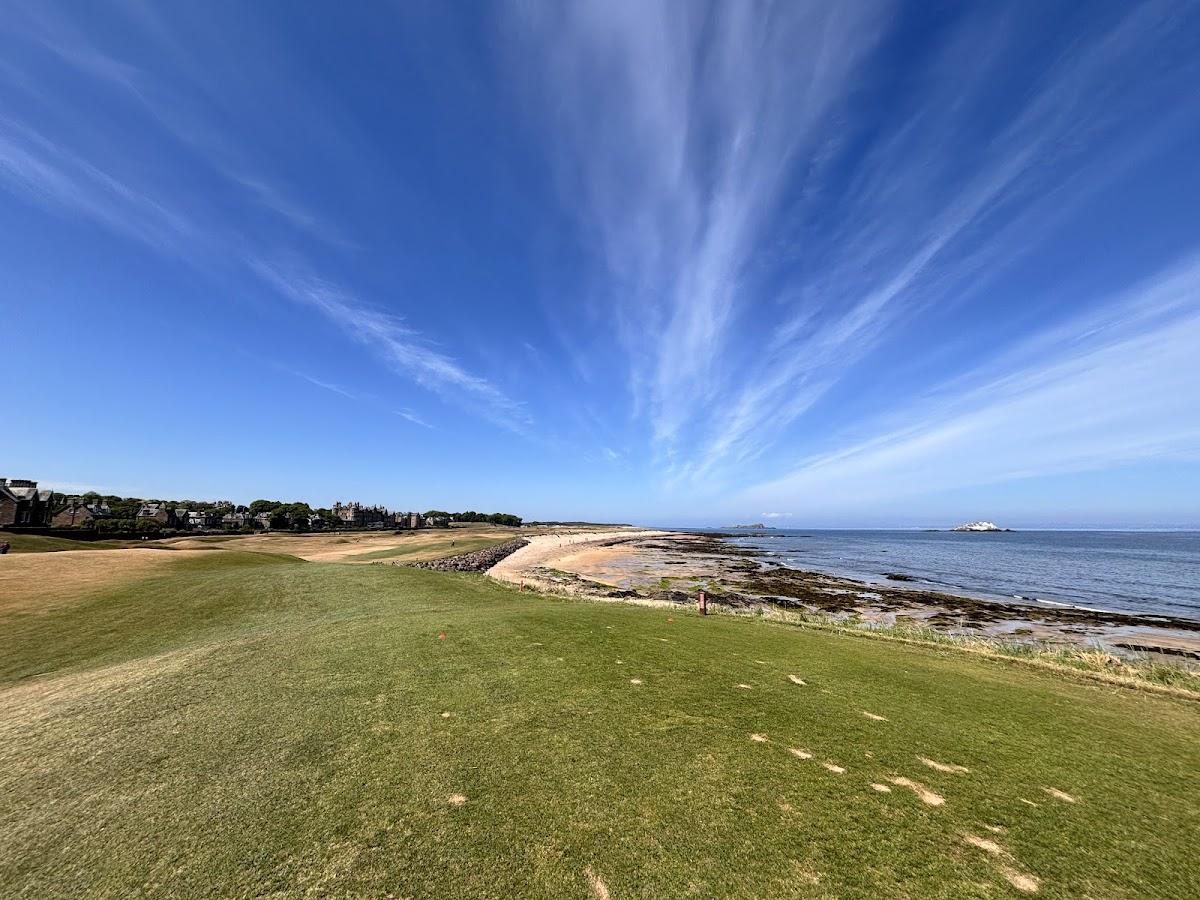
How to book North Berwick West Links as a visitor in 2026: visitor days, fourball booking, smaller groups, caddies, parking, and timing.
A practical booking timeline for Scotland golf trips: when to secure tee times, hotels, flights, caddies, drivers, and backup rounds.