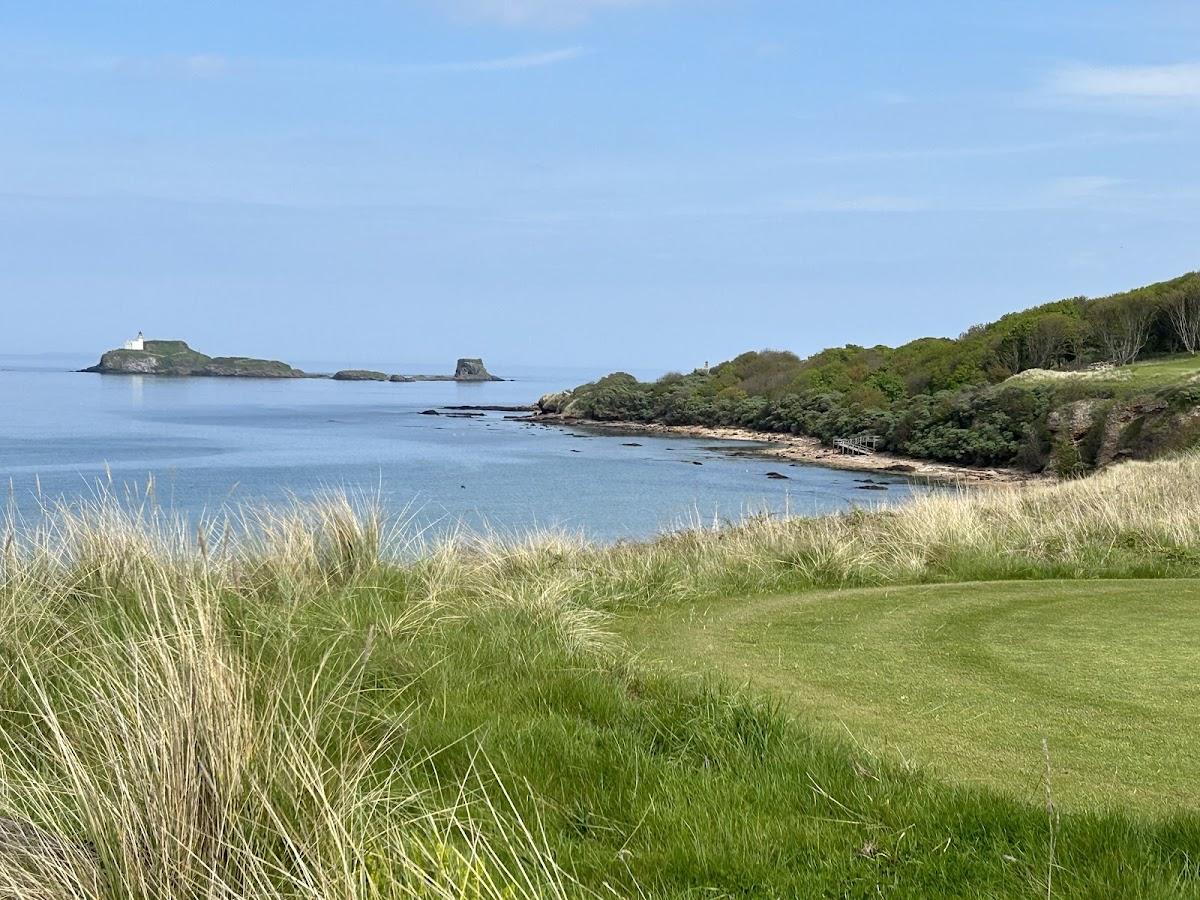
Archerfield Fidra Course Guide
Archerfield Fidra Course Guide covering course character, visitor booking, value, route planning, nearby golf, practical advice, and an honest verdict.

Your saved itinerary stays on this device while we prepare the next view.
100% FreeA practical booking timeline for Scotland golf trips: when to secure tee times, hotels, flights, caddies, drivers, and backup rounds.
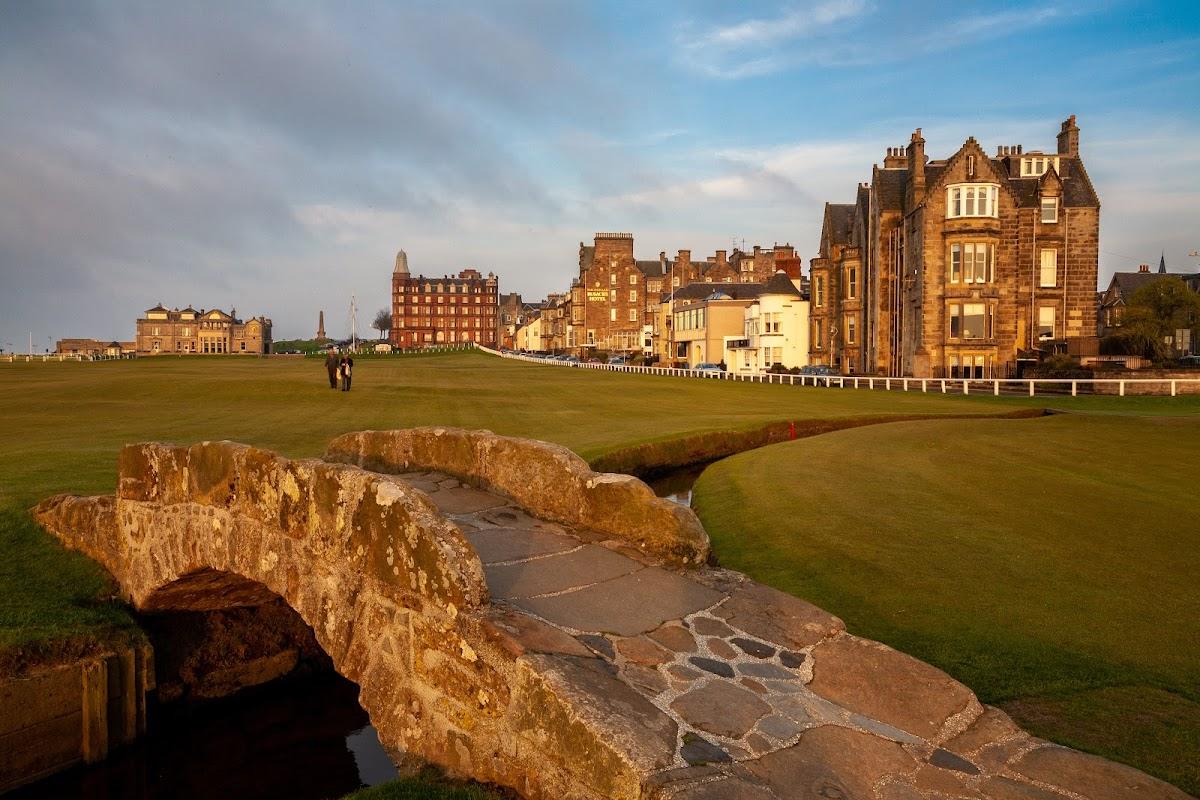
Book the golf before you book the shape of the trip. For a serious Scotland golf itinerary, the right window is 9 to 12 months ahead if you want the famous names, 6 months ahead for a strong mid-range route, and 3 months ahead only if you are flexible on courses, dates, or both.
That does not mean every course needs to be booked a year out. It means the courses that control the rest of the journey should be secured first: St Andrews Old Course, Muirfield, North Berwick, Royal Dornoch, Kingsbarns, Carnoustie, Royal Troon, Turnberry, and the best dates around them. Once those are fixed, hotels, transport, and supporting rounds become much easier.
Checked 10 July 2026: this guidance reflects current Caledonia course data, North Berwick's published 2026 visitor window, and the booking patterns in our 2026 course guides. Always confirm live booking windows with each club before paying.
For a May to September trip, start planning in the previous summer or autumn. If you want peak June, July, or August tee times, treat the previous September to December as the serious planning period, not the time to start daydreaming.
The best booking sequence is:
The mistake is booking flights first, then trying to force courses into a fixed week. Scotland's best courses do not care that your flight is already paid for.
At this stage, you are not choosing every dinner reservation. You are choosing the trip's logic.
For a first Scotland golf trip, the usual routes are:
If the Old Course is essential, build the route around St Andrews and carry a backup course. If Muirfield is essential, remember that visitor play is only on Tuesdays and Thursdays. If Royal Dornoch is essential, do not squeeze it in as a day trip from Edinburgh; the drive north changes the entire itinerary.
This is also when you should decide whether the trip is one round a day or a 36-hole trip. The answer changes everything: daylight, transport, hotel location, caddie availability, and how much energy the group still has by day four.
This is the important window for bucket-list golf. The exact opening dates vary by club and season, but the principle is consistent: famous summer tee times go first.
Book or apply for these before anything else:
If a club only accepts visitors on certain days, put that course in the calendar first. Muirfield is the clearest example. A Tuesday or Thursday visitor day should shape the East Lothian leg, not be squeezed into whatever gap remains.
Once the anchor rounds are in place, book accommodation. Golf towns are small. St Andrews, North Berwick, Gullane, Dornoch, Prestwick, and Nairn do not have unlimited good rooms in summer.
At this point, add the courses that make the route feel complete:
These supporting rounds are not filler. They are often the rounds that make the trip feel local rather than packaged.
This is the window for caddies, hire clubs, restaurants, airport transfers, and route checks. North Berwick's visitor information, for example, asks for caddie requests at the time of booking or no later than 14 days before play where possible, with availability not guaranteed. The best caddies at the most famous courses are finite; asking late is how you end up disappointed.
If you are self-driving, confirm:
If you are using a private driver, confirm hours rather than just transfer legs. A golf day is not a point-to-point taxi ride. Delays, lunch, weather, practice time, and post-round drinks all matter.
Weather is not the only risk. Ballots fail, flights move, groups change size, injuries happen, and visitor tee sheets can be tighter than expected.
Every strong Scotland golf trip has backups:
Do not think of a backup as a lesser day. Scotland's depth is the whole point. A missed ballot that turns into St Andrews New Course and a late lunch in town is still a very good day.
Yes, but it becomes a different kind of trip. With 6 to 10 weeks' notice, stop chasing the full bucket-list itinerary and build around availability. You can still have a brilliant route if you use courses like Lundin, Leven, Panmure, Brora, Moray Old, Southerness, Dunbar, Kilspindie, and Gullane No.2.
Late trips work best in April, early May, late September, and October. They work badly when four golfers want fixed Saturday-to-Saturday dates in July and a list of only world-ranked courses.
May and September are the safest recommendations. They balance course condition, daylight, availability, and price better than peak summer. June is magnificent because the light lasts so long, especially in the Highlands, but tee sheets and hotels are under more pressure. July and August are peak season: brilliant when everything is secured early, frustrating when left late.
For more budget detail, read the Scotland golf trip cost guide. For the route framework, start with the Scotland golf trips planning guide.
Book 9 to 12 months ahead if you want famous summer tee times. Six months can work for a flexible mid-range trip. Three months is late unless you are open to less famous courses, shoulder-season dates, or a looser route.
It varies by club. Some publish fixed application windows, some use online booking, and some handle visitors by email. Check each club directly before planning around a date.
Both are excellent. May has long light and spring conditions; September often has mature links turf, slightly calmer visitor pressure, and better value than peak summer.
For a serious golf trip, tee times first. Flights can usually be matched to the golf. The best tee sheets cannot always be matched to flights you have already bought.
Ready to turn the booking window into a real route? Start planning on Caledonia Golf ->
Archerfield Fidra Course Guide covering course character, visitor booking, value, route planning, nearby golf, practical advice, and an honest verdict.
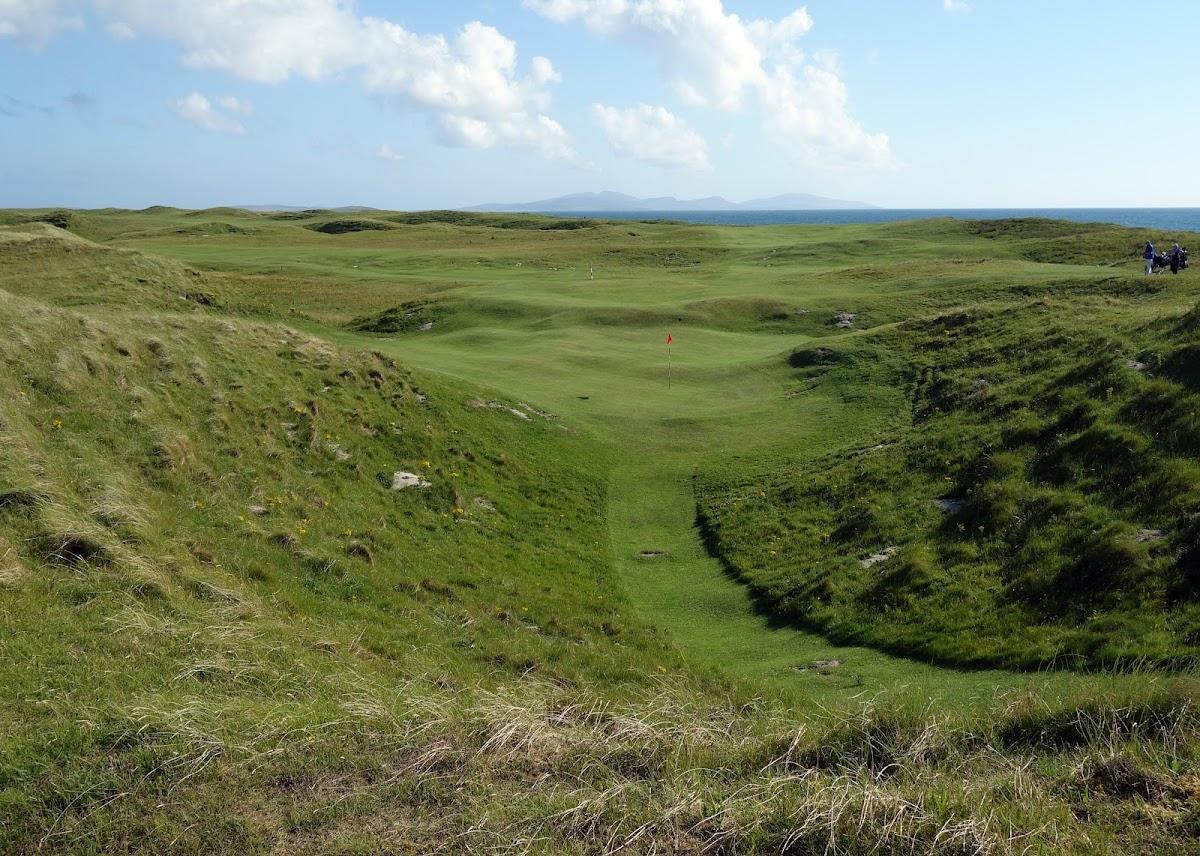
Askernish Golf Guide for South Uist covering course character, visitor booking, value, route planning, nearby golf, practical advice, and an honest verdict.
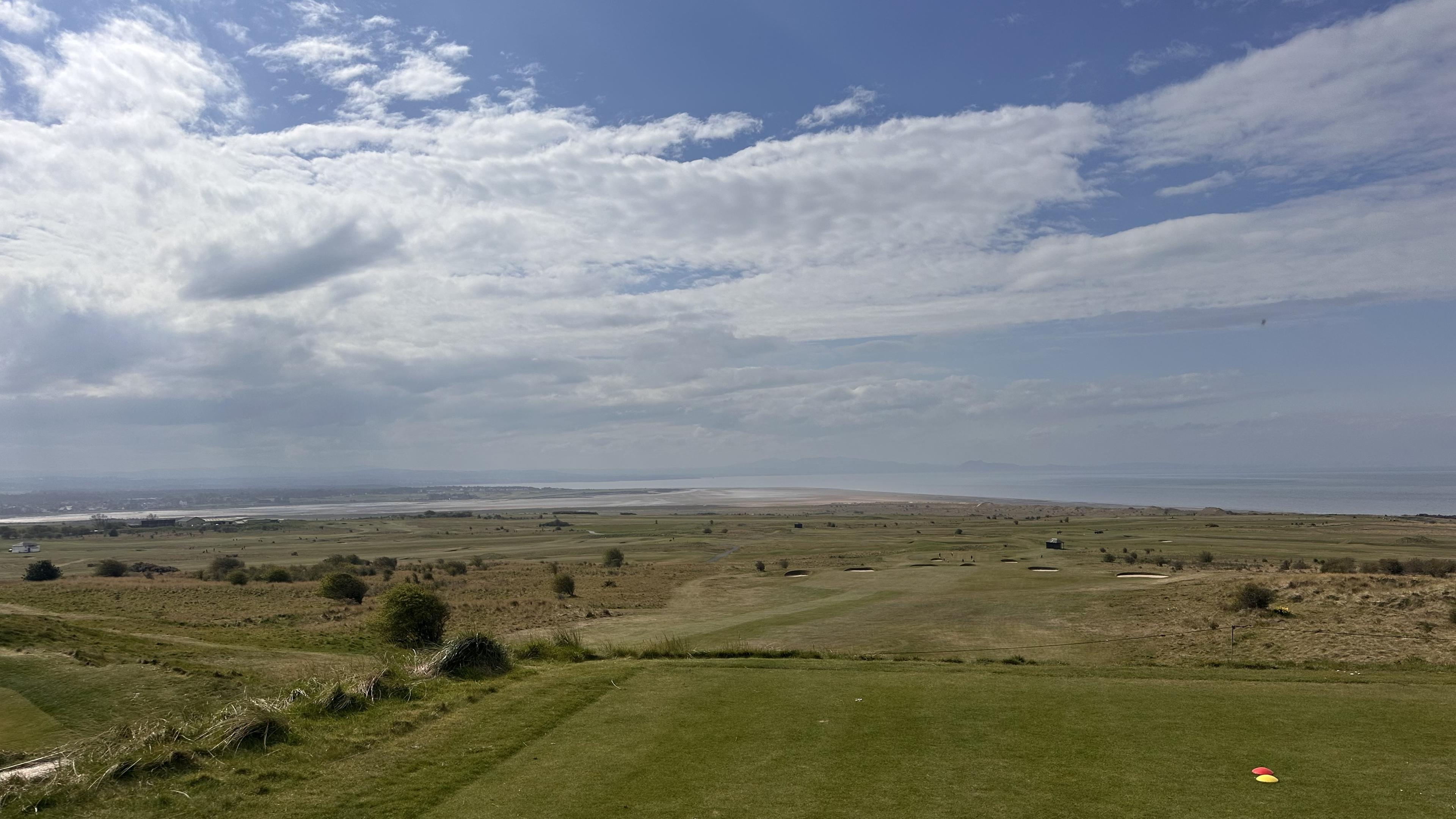
The best time to play golf in Scotland by month, with daylight, weather, green-fee, availability, turf, regional and booking trade-offs.