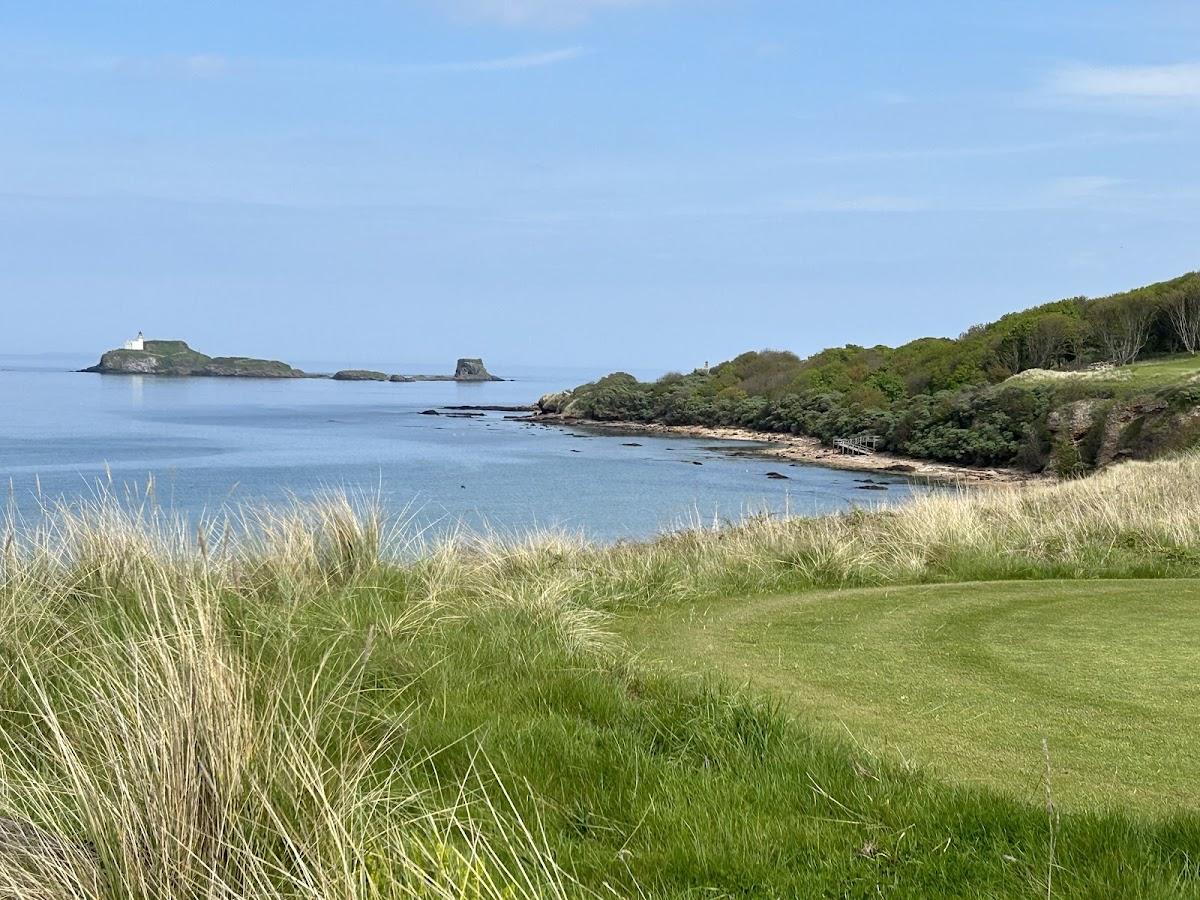
Archerfield Fidra Course Guide
Archerfield Fidra Course Guide covering course character, visitor booking, value, route planning, nearby golf, practical advice, and an honest verdict.

Your saved itinerary stays on this device while we prepare the next view.
100% FreeAn honest Royal Dornoch golf review — the course, green fees, how to book, and whether the drive north is worth it in 2026.
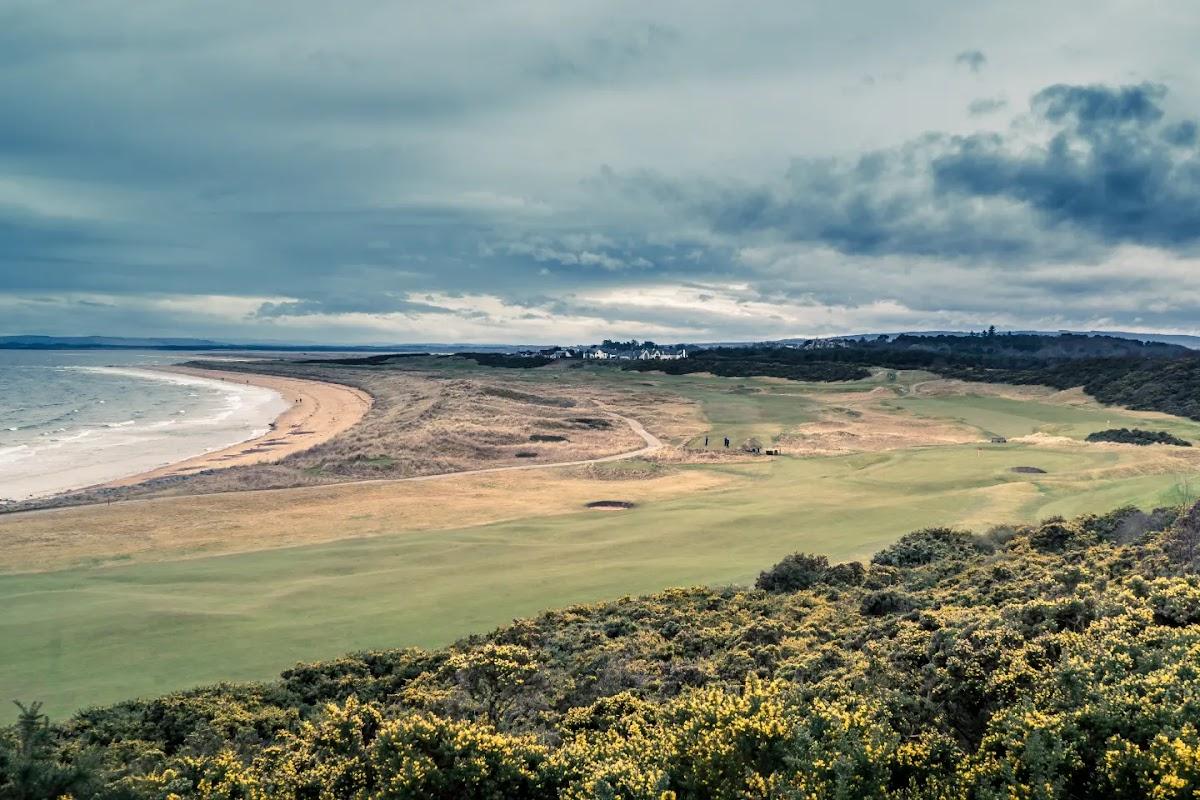
Green fee: £360 (Championship course, 2026) · Booking difficulty: Hard — book 6 to 12 months ahead for summer · Best months: May to September · Rank: 5th in the NCG Top 100 Scotland 2026 · Who it's for: Golfers who want the real Highland links experience and don't mind the drive · Who might be disappointed: Anyone trying to fit it into a rushed day trip, or golfers who want a course full of bunkers and water
Royal Dornoch is ranked 5th in the NCG Top 100 Scotland 2026 list, and it's the course most first-time visitors to Scotland ask about after St Andrews and Muirfield. It's also the one most people are least sure whether to actually build a trip around, because it sits an hour north of Inverness — further than most itineraries naturally reach.
The clubhouse is new, and it's the first thing that tells you Royal Dornoch isn't a museum piece — it's a working club that's still investing in itself. But the course itself hasn't changed in the ways that matter. Old Tom Morris laid out the original links, Donald Ross reworked it before he left for America and went on to design Pinehurst No. 2, and the plateau greens he left behind are unlike anything most visiting golfers have played. The ball doesn't just miss the green here — it runs off in whichever direction the ground tells it to, and short-game shots need to account for which tier of the green you're actually on.
Golf has been played on this stretch of Highland coastline since long before anyone thought to write down when it started — the club's own history describes golf at Dornoch as played "since time immemorial." Old Tom Morris laid out the original links in 1877. Donald Ross apprenticed here as a young clubmaker and greenkeeper before emigrating to the United States, where he went on to design Pinehurst No. 2 and hundreds of other American courses — which means the plateau greens that define modern American golf architecture were, in a sense, learned on this ground first. That lineage is part of why golf historians treat Dornoch as more than just a very good links course. It's a reference point.
Royal Dornoch is a par 70 across 18 holes, and it earns comparisons to the very best links in the world without needing a signature water hazard or a manufactured "wow" hole. The land does the work.
The front nine runs out along the lower ground close to the Dornoch Firth, holes routed between the dunes rather than over them, and it's here that the plateau greens first catch out golfers who've never played this style of links before. The back nine climbs onto higher ground, and the views open up across the Firth in a way the front nine deliberately withholds until you've earned it.
The 14th, known as Foxy, is the hole most golfers remember. There isn't a single bunker on it — just an unpredictable, undulating fairway and a green that slopes away in a way that punishes anything short of a precise approach. It's a reminder that Highland links golf doesn't need artificial difficulty to be genuinely hard.
The "cathedral holes" through the middle of the round, framed by dunes and wildflowers rather than manicured rough, are where Dornoch stops feeling like a golf course and starts feeling like a piece of coastline that happens to have flags in it. The views from the third tee, looking back over the Dornoch Firth, are the moment most first-time visitors stop and take a photo before they've even hit a shot.
A few things worth knowing before you play, pulled from Caledonia Golf's course notes:
Visitors are welcome most days of the week, subject to availability, and the club takes bookings directly through its own website rather than through a ballot system. That's the good news. The less good news: Royal Dornoch is genuinely hard to book for peak summer dates, and demand has grown faster than tee sheet capacity. If you want a June, July, or August round, you should be booking 6 to 12 months in advance, not 6 to 12 weeks.
The 2026 green fee for the Championship course is £360 — squarely in the range you'd expect for a course of this standing, and in line with Scotland's other Championship-tier courses like Muirfield and Kingsbarns. There's no way to make that sound cheap, and I won't try to. It's a genuine cost, and it should be weighed against everything else in your trip budget before you commit to the drive north.
If the Championship course is fully booked, Royal Dornoch's second course, Struie, is a legitimate alternative on the same piece of land, at a lower green fee — worth asking about if your dates are inflexible. It's a genuinely good links in its own right, not a consolation prize, and it takes pressure off the Championship tee sheet when you're planning a group trip with more than a couple of golfers.
Booking itself is straightforward once you've got the dates: it's handled directly through the club's own online booking system rather than a third-party agent, which means no markup and no guesswork about whether your request actually reached anyone. The trade-off is that summer tee times get taken quickly once released, so if you have fixed travel dates, get the golf booked before you build the rest of the trip around it — not the other way round.
This is the part that actually determines whether Royal Dornoch fits your trip, more than the golf itself.
From Edinburgh, it's roughly 3.5 to 4 hours by car. From Inverness, it's just under an hour, which is why most workable itineraries fly into Inverness rather than drive the whole way from the Central Belt. Do not let that remoteness put you off — it's the reason Dornoch has kept the character that busier courses closer to Edinburgh have had to share with everyone else.
Stay at least two nights if you can. Dornoch Station, close enough to the clubhouse that the whole stay feels built around the golf, is the strongest base in town. One round and a same-day drive back south turns a genuinely special course into a box-ticking exercise, and you'll feel every mile of the drive without getting the benefit of the place itself.
The new clubhouse is worth arriving early for, not just rushing through on the way to the first tee. There's a proper pro shop, and the practice facilities are set up for golfers who've just driven a long way and need to loosen up before a Championship-standard round rather than for members squeezing in nine holes after work. Dornoch itself — the town, not just the club — is small enough to walk everywhere, which matters after a day on your feet.
Royal Dornoch deserves its reputation, but it isn't for everyone. If you're building a trip that's mostly about ticking off famous names in the shortest number of days, the drive north is going to feel like a tax you're paying rather than part of the experience. The green fee is serious money, the weather is proper Highland weather — meaning it changes without asking permission — and there's no getting around the fact that it takes real effort to reach.
If you're the kind of golfer who wants to play a course the way it was meant to be played, with time to actually be in the town and not just on the tee sheet, it's one of the best rounds available anywhere in Scotland. Tom Watson is widely quoted as calling it his favourite course in the world, and having played it myself, that's not hard to understand once you're standing on the third tee.
Royal Dornoch works best as the centrepiece of a Highlands trip, not a solo detour. Nairn, on the way north from Inverness, has one of the best front nines in Scotland and makes a natural first stop. Castle Stuart, right by Inverness Airport, adds a modern championship links to the mix — hire a caddie, it's a tough walk. Brora, a short drive further north from Dornoch, offers remote links purity, complete with cattle still grazing the fairways between rounds. Golspie, just beyond Brora, is the underrated one — excellent greens and far less pressure on the tee sheet.
The full route, including hotel suggestions and day-by-day pacing, is in the Royal Dornoch itinerary, built around exactly this stretch of the Highlands.
How much is a round of golf at Royal Dornoch? The 2026 green fee for the Championship course is £360. That places it alongside Scotland's other Championship-tier courses rather than at the very top of the price range — Turnberry's Ailsa course, for comparison, runs to £1,000.
Is Royal Dornoch worth it? Yes, if you give it the time it deserves — a proper overnight stay in Dornoch, not a rushed same-day round. The course, the town, and the drive north are genuinely part of the experience, not just a box to tick.
What rank is Royal Dornoch in the world? Royal Dornoch is ranked 5th in the NCG Top 100 Scotland 2026 list. It regularly appears in global top-100 lists from publications like Golf Digest and Golf Monthly too, though the exact position varies by publication and year — what's consistent is that it's always inside the world's best.
Can anyone play Royal Dornoch? Yes. It's a private members' club, but visitors are welcome most days of the week, subject to availability, and bookings go through the club's own website rather than a ballot.
Who owns Royal Dornoch Golf Club? It's a members' club, not a corporate or resort-owned property — which sets it apart from courses like Trump Turnberry. That ownership structure is part of why it's kept its character: decisions about the course are made by the membership, not a hospitality group managing a portfolio of properties.
Is there a cheaper way to play Dornoch if the Championship course is booked out? Yes — the Struie course, Royal Dornoch's second 18, plays over the same stretch of Highland links land at a lower green fee, and is a sensible option if your dates don't line up with Championship availability.
Ready to build a Highlands route around Royal Dornoch? Start planning on Caledonia Golf →
Archerfield Fidra Course Guide covering course character, visitor booking, value, route planning, nearby golf, practical advice, and an honest verdict.
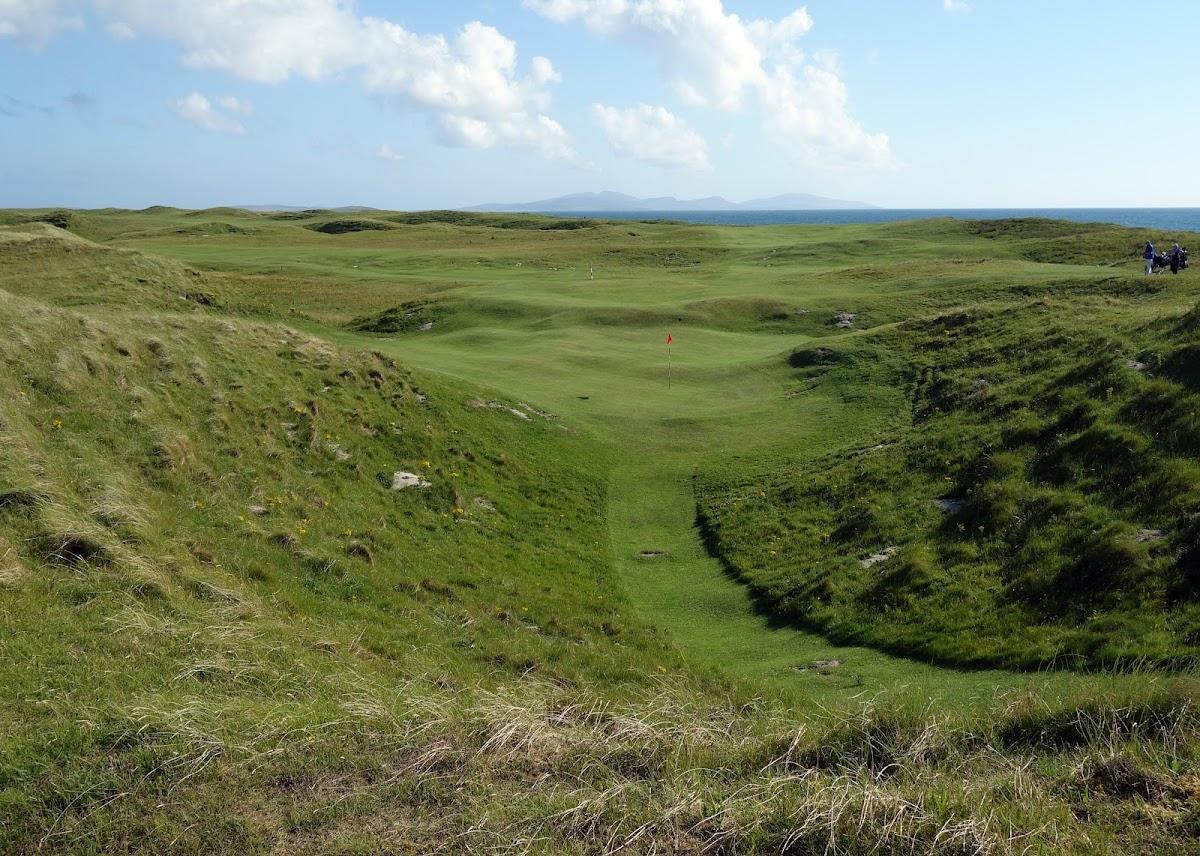
Askernish Golf Guide for South Uist covering course character, visitor booking, value, route planning, nearby golf, practical advice, and an honest verdict.
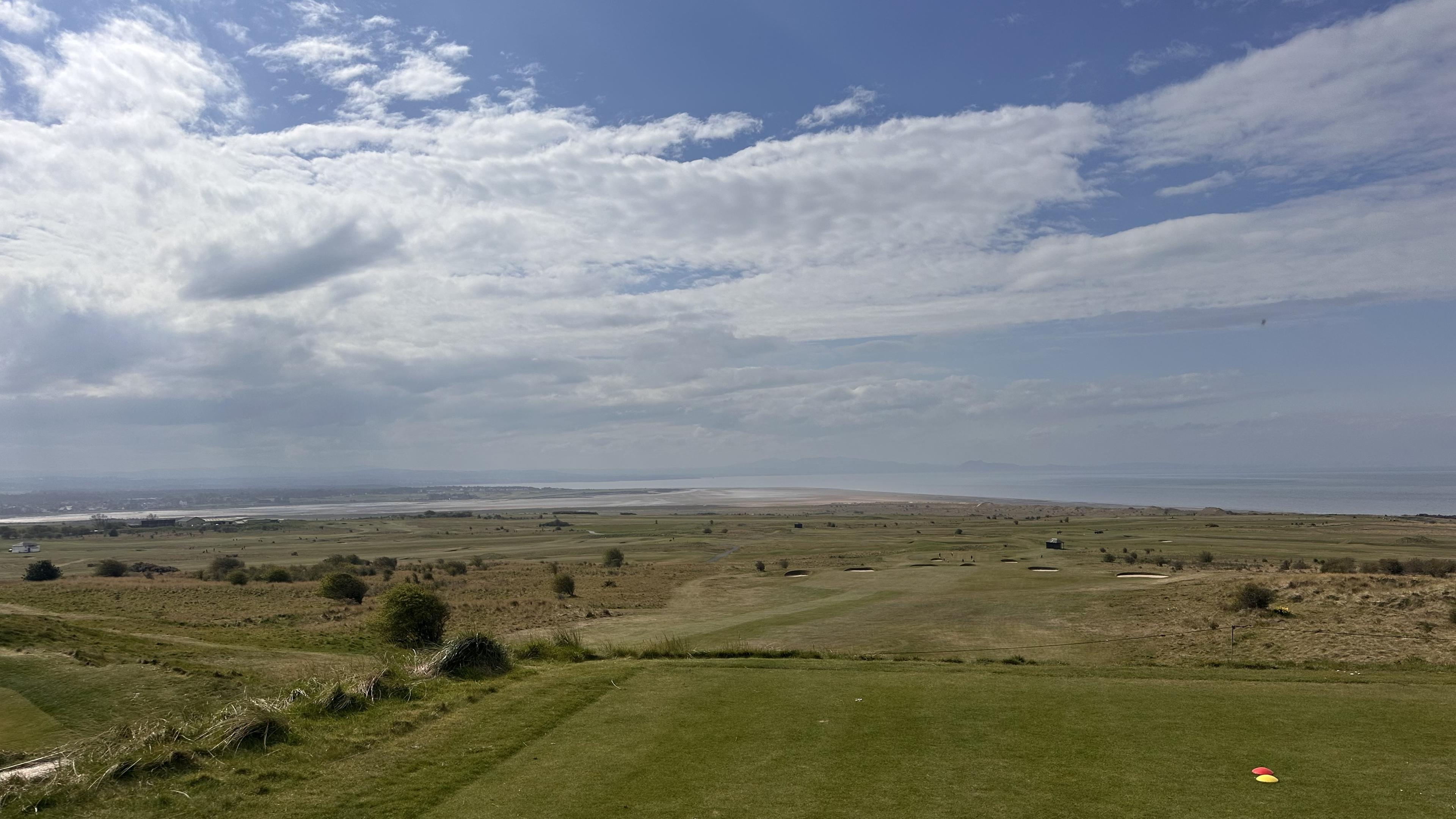
The best time to play golf in Scotland by month, with daylight, weather, green-fee, availability, turf, regional and booking trade-offs.