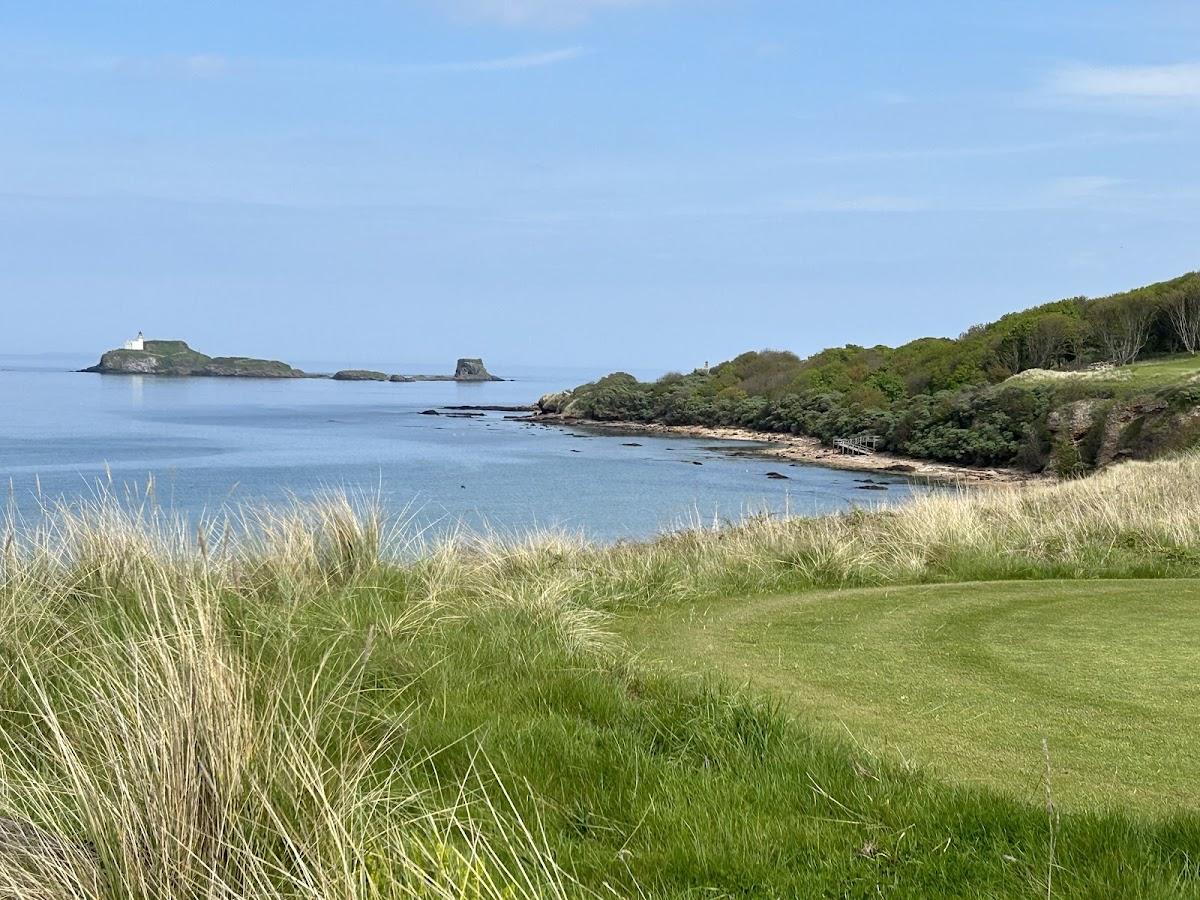
Archerfield Fidra Course Guide
Archerfield Fidra Course Guide covering course character, visitor booking, value, route planning, nearby golf, practical advice, and an honest verdict.

Your saved itinerary stays on this device while we prepare the next view.
100% FreeWhat is links golf? A clear Scotland-based explanation of linksland, turf, wind, strategy, course types, and how to play links golf well.
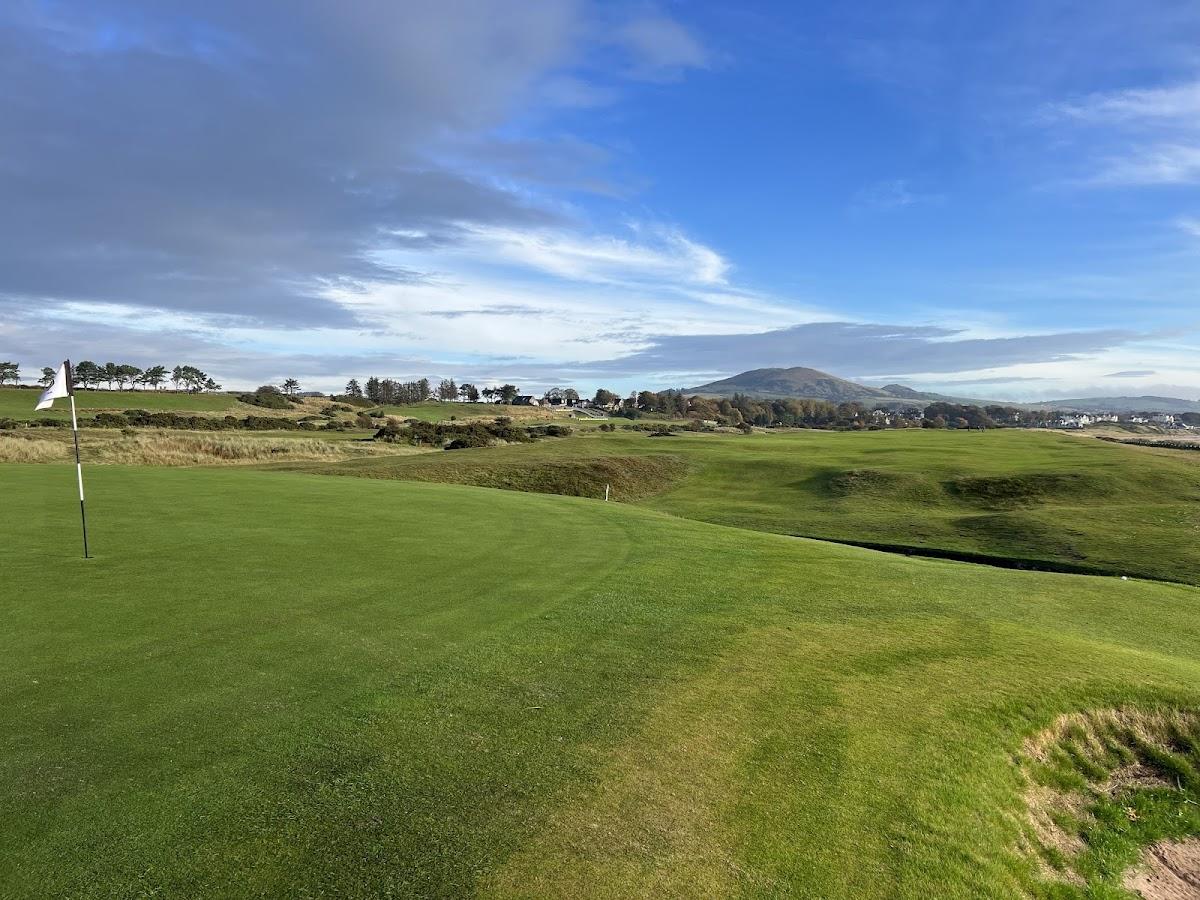
Links golf is golf played on sandy coastal land, usually between the sea and more fertile inland ground. The turf is firm, the ground is uneven, the wind matters, and the ball is meant to run. Scotland did not invent links golf as a style choice. Golf grew up on linksland because that was the land available.
That one fact explains almost everything. A true links course is not just a course near the sea. It is a course shaped by coastal turf, natural drainage, wind, sand, humps, hollows, and uncertainty.
I play out of Lundin Golf Club in Fife and Nairn Golf Club in the Highlands. Both are links courses, but they do not feel identical. Lundin has old Fife quirk and railway-line character. Nairn's front nine runs hard beside the Moray Firth. The shared lesson is that links golf asks you to play the ground, not just fly the ball at a target.
The current Google results for "what is links golf" are mostly explainers: Reddit threads asking for plain-English definitions, Wikipedia, Golf.com, short videos from golf media, and People Also Ask questions about links versus regular golf, why links is hard, and why it is called links.
So the intent is simple: golfers want a clear definition without being patronised. Many have heard commentators say "links-style" on television and want to know what actually counts.
A links course has five core traits:
That last point is the heart of it. On many parkland courses, the best shot is a high approach that lands near the flag and stops. On links, the best shot may land 30 yards short, bounce twice, turn with the slope, and finish pin-high.
"Links" refers to the land that linked the sea with the inland farming ground. It was sandy, exposed, often unsuitable for crops, and perfect for early golf because it drained naturally and could be maintained by grazing animals long before modern agronomy.
That is why Scotland has so many genuine links courses. The game developed around this landscape. St Andrews, Carnoustie, Muirfield, North Berwick, Royal Dornoch, Prestwick, and many others are not themed recreations. They are golf on its original ground.
Parkland golf is usually greener, softer, tree-lined, and more target-based. It rewards height, spin, and accuracy through the air.
Links golf is usually firmer, browner in dry spells, more exposed, and more tactical along the ground. It rewards trajectory control, patience, imagination, and acceptance that good shots sometimes get odd bounces.
That does not make one better than the other. It makes them different sports wearing the same clothes.
Links golf feels hard because the course does not give you fixed answers.
The same par 4 can be driver-wedge one day and driver-long iron the next. A bunker that is irrelevant downwind becomes a card-wrecker into the wind. A flag that looks inviting might be impossible if the ground slopes away behind it.
The difficulty is not only length or rough. It is decision-making.
At Carnoustie, the fairway bunkers are not decoration. They sit where good players want to hit the ball. At Royal Dornoch, plateau greens reject lazy approaches. At North Berwick, walls, burns, and contours ask you to solve problems that do not exist on most modern courses.
Keep the ball lower. A high ball is not automatically wrong, but the wind has more time to move it. Learn the half-swing, the knockdown, and the running approach.
Use the ground. Look at the slope short of the green. Often the best landing spot is not the flag.
Putt from off the green. If the turf is tight and the path is clear, a putter from 10 yards off the green is often the percentage shot.
Accept ugly-looking golf. Links scorecards do not care how stylish the shot was. A low runner that finishes 20 feet away beats a perfect-looking wedge that balloons into a bunker.
Think backwards from trouble. On links courses, the safe side matters. Missing on the wrong side of a pot bunker can cost more than laying back.
Scotland's links courses are not one category.
Championship links include St Andrews Old Course, Carnoustie, Muirfield, Royal Troon, and Turnberry. These are major venues with high demand and high prices.
Character links include North Berwick, Cruden Bay, Prestwick, Crail Balcomie, and Shiskine. These often deliver more quirk and charm than pure championship severity.
Highland links include Royal Dornoch, Nairn, Brora, and Golspie. These feel more remote, more open, and often more elemental.
Value links include courses such as Lundin Links, Leven, Monifieth, Irvine, Buckpool, and Fortrose & Rosemarkie. They can be the difference between a famous trip and a genuinely Scottish one.
Our Links Golf in Scotland guide goes deeper into where to experience each type.
Calling every seaside course a links. Coastal scenery is not enough. The ground and playing conditions matter.
Playing only the famous names. The best education in links golf often comes from the less famous courses where you can relax and experiment.
Expecting perfect green. Links turf changes colour with weather. Brown, firm turf can be a sign of health, not neglect.
Trying to overpower the wind. The wind always wins eventually. Flight it down, choose conservative lines, and stop fighting every gust.
Links golf is firmer, windier, more coastal, and more ground-based. Regular parkland golf is usually softer, greener, more tree-lined, and more target-based.
Because wind, firm turf, pot bunkers, uneven lies, and unpredictable bounces make decision-making as important as ball-striking.
The word comes from the coastal land that linked the sea with inland farmland. That sandy land became the original home of golf in Scotland.
Yes. St Andrews Old Course is the most famous links course in the world, and the town's other Links Trust courses sit on the same linksland.
Mix one or two famous courses with less obvious local links. A Fife route with St Andrews, Kingsbarns, Lundin Links, Leven, and Crail teaches more than a trophy-only itinerary.
Ready to find the links courses that fit your route? Use the Caledonia course map.
Archerfield Fidra Course Guide covering course character, visitor booking, value, route planning, nearby golf, practical advice, and an honest verdict.
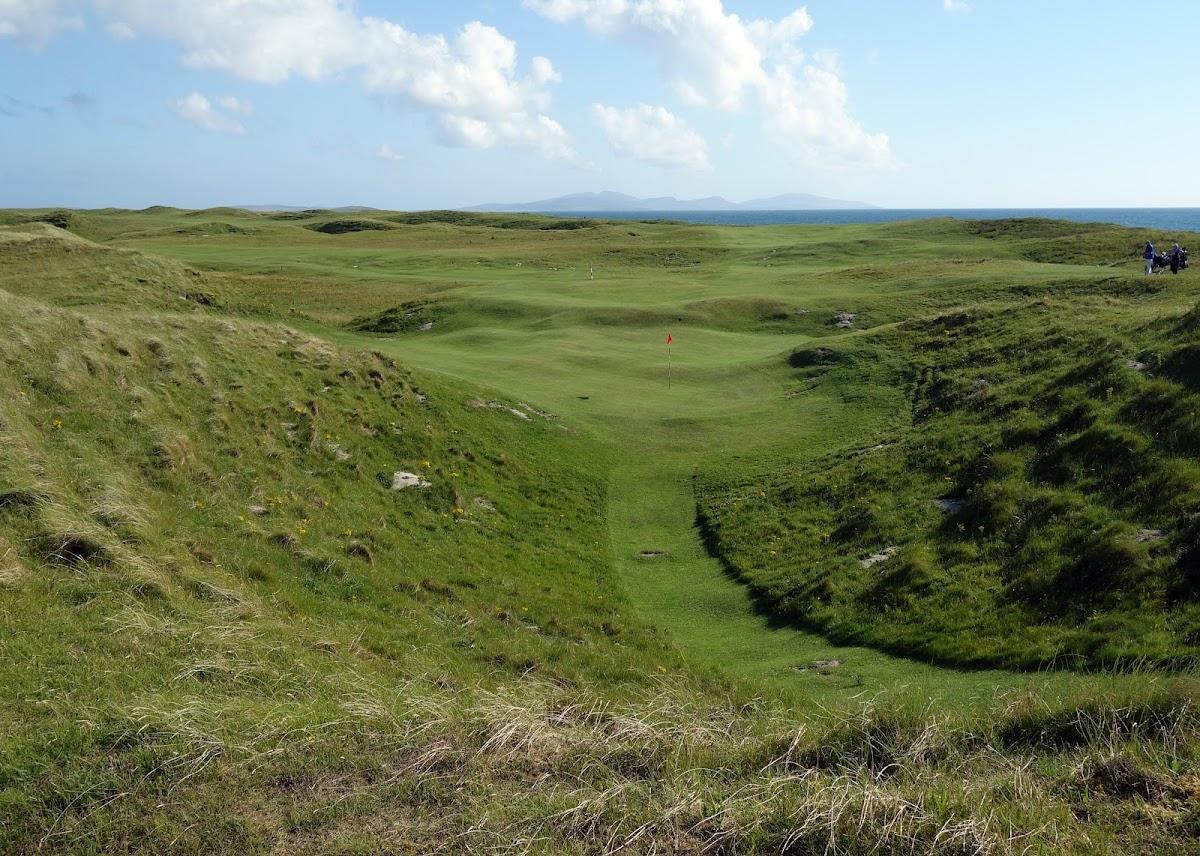
Askernish Golf Guide for South Uist covering course character, visitor booking, value, route planning, nearby golf, practical advice, and an honest verdict.
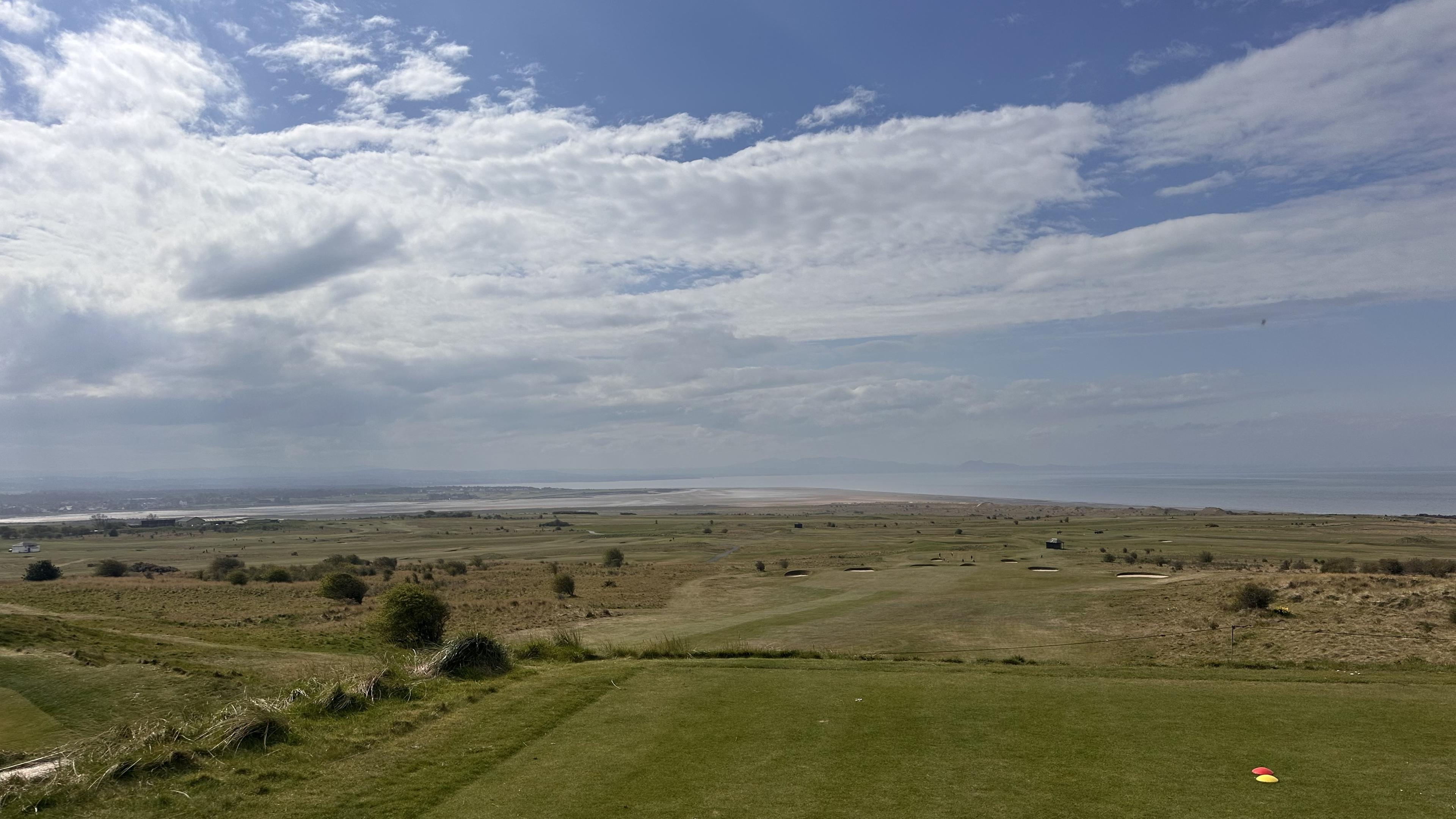
The best time to play golf in Scotland by month, with daylight, weather, green-fee, availability, turf, regional and booking trade-offs.